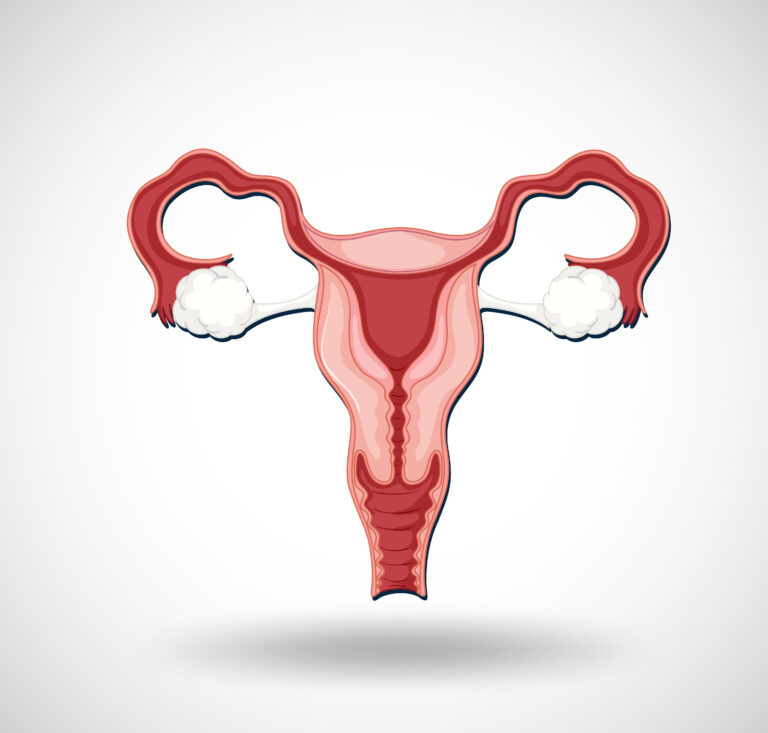

The endometrial lining is the inner lining of the uterus (womb), and its thickness plays an important role in achieving and maintaining a pregnancy, whether through natural conception, intrauterine insemination (IUI), or invitro fertilization (IVF).
During fertility monitoring scans, the thickness of the endometrial lining is usually assessed around the time of ovulation for IUI cycles or around Day 14 of the menstrual cycle for those trying to conceive naturally. A healthy endometrial lining is generally expected to measure between 7 mm and 13 mm. If the lining is less than 7 mm, it may indicate that the uterus is not optimally prepared for embryo implantation, and medical treatment may be required to improve the lining.
In addition to endometrial thickness, hormone levels should also be evaluated. Estradiol (E2) and progesterone are essential hormones that help prepare the uterus for pregnancy. Adequate levels of these hormones support proper endometrial development and implantation. Low levels of estradiol or progesterone may suggest that the uterine environment is not fully prepared for pregnancy, which can increase the risk of implantation failure or an unsuccessful fertility treatment cycle.
Always discuss your scan results and hormone levels with your fertility specialist, who can recommend the most appropriate treatment based on your individual situation.