
6 REASONS WHY YOU EXPERIENCE SPERM LEAKAGE
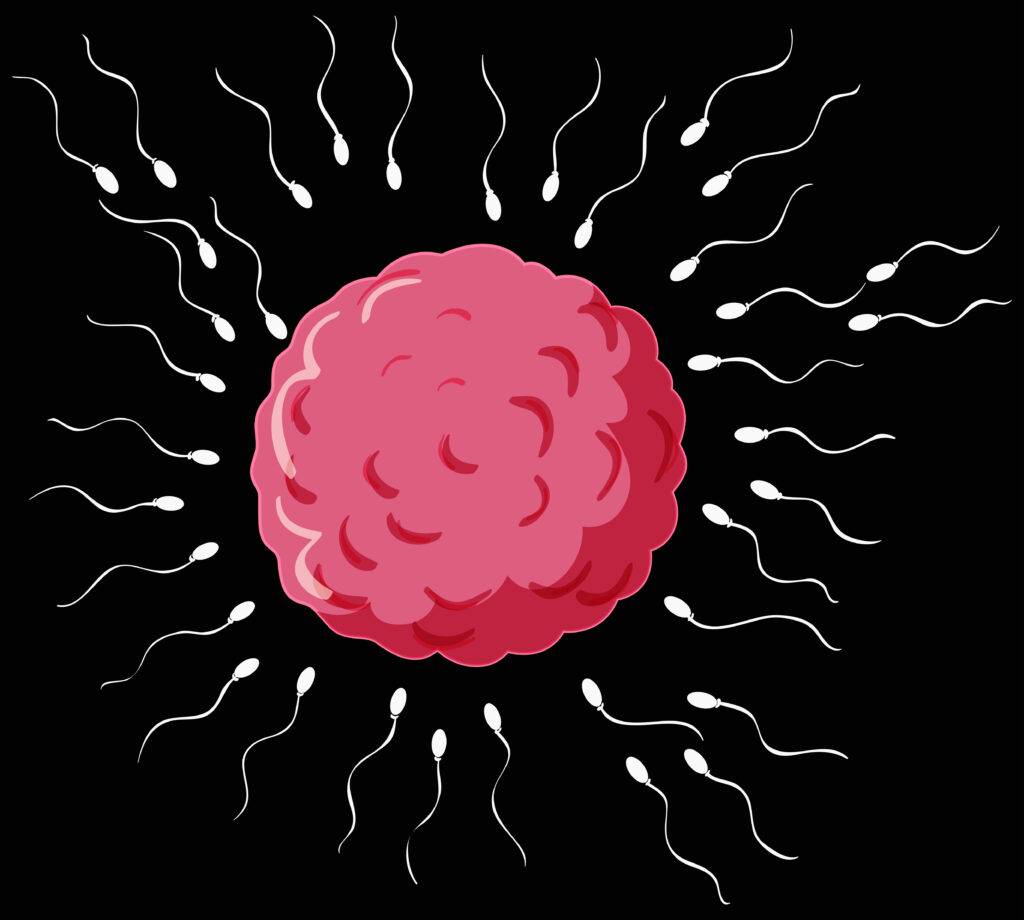
There are several reasons why semen may leak out after sexual intercourse. In many cases, some degree of semen leakage is normal, as excess semen naturally flows out of the vagina after ejaculation. However, the following factors may contribute to noticeable leakage: Low semen viscosity (watery semen): Semen that is thinner than normal may flow out more easily after intercourse. Differences in anatomy: Variations in vaginal depth and penile length may affect how deeply semen is deposited during ejaculation. Reduced vaginal muscle tone: In some cases, weaker pelvic floor muscles may contribute to reduced vaginal tightness, which could allow semen to flow out more readily. Erectile difficulties: Some men may experience erections that are not firm enough for deep penetration, which can affect semen deposition during intercourse. Sexual positioning: Certain sexual positions may not allow for optimal penetration, particularly when there is a significant difference in body size between partners. Exploring different comfortable positions may help improve penetration and semen deposition. Vaginal infections: Infections of the vagina or reproductive tract may alter the vaginal environment and affect fertility. Symptoms such as unusual discharge, itching, irritation, or an unpleasant odor should be evaluated by a healthcare professional. It is important to note that semen leakage after intercourse is usually normal and does not necessarily prevent pregnancy. If you have concerns about fertility or difficulty conceiving, consult a fertility specialist for a proper evaluation of both partners.
YOUR WOMB THICKNESS AND GETTING PREGNANT
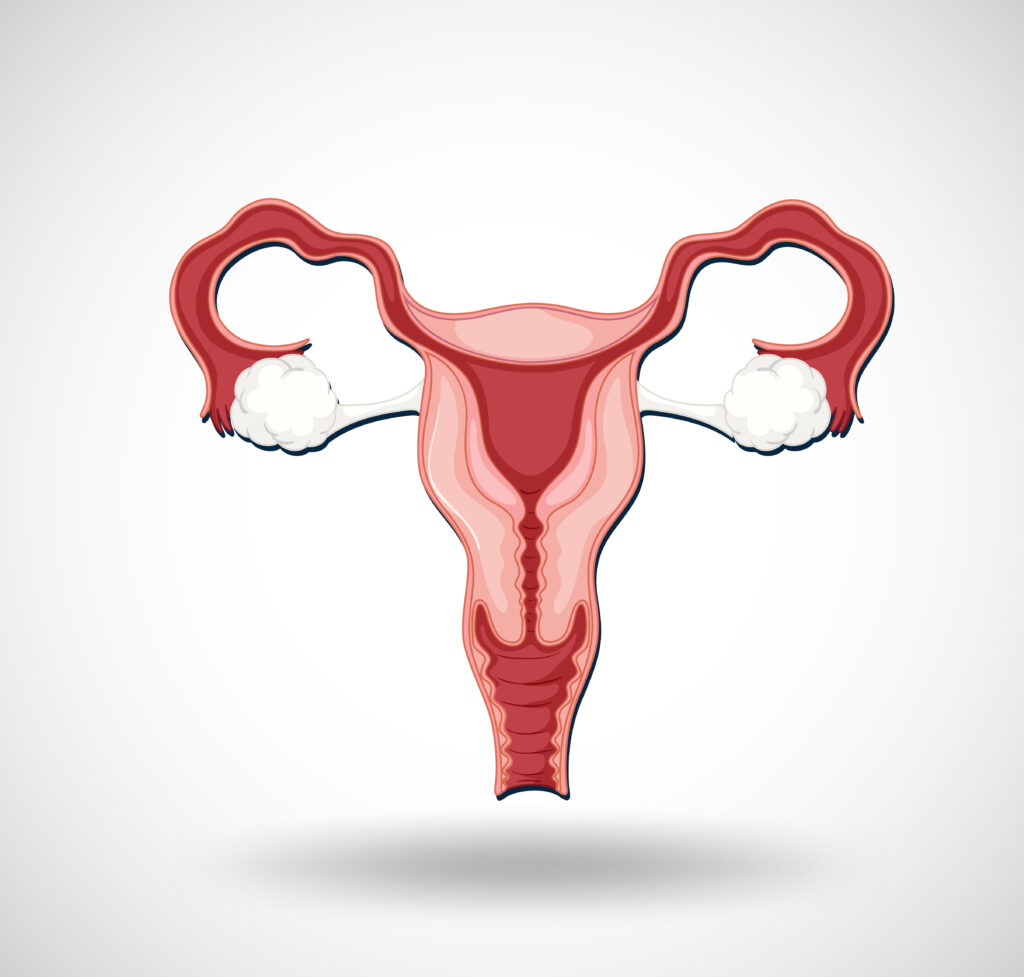
The endometrial lining is the inner lining of the uterus (womb), and its thickness plays an important role in achieving and maintaining a pregnancy, whether through natural conception, intrauterine insemination (IUI), or invitro fertilization (IVF). During fertility monitoring scans, the thickness of the endometrial lining is usually assessed around the time of ovulation for IUI cycles or around Day 14 of the menstrual cycle for those trying to conceive naturally. A healthy endometrial lining is generally expected to measure between 7 mm and 13 mm. If the lining is less than 7 mm, it may indicate that the uterus is not optimally prepared for embryo implantation, and medical treatment may be required to improve the lining. In addition to endometrial thickness, hormone levels should also be evaluated. Estradiol (E2) and progesterone are essential hormones that help prepare the uterus for pregnancy. Adequate levels of these hormones support proper endometrial development and implantation. Low levels of estradiol or progesterone may suggest that the uterine environment is not fully prepared for pregnancy, which can increase the risk of implantation failure or an unsuccessful fertility treatment cycle. Always discuss your scan results and hormone levels with your fertility specialist, who can recommend the most appropriate treatment based on your individual situation.
WHY LOW SPERM COUNT ARE INCREASING IN YOUNG MEN
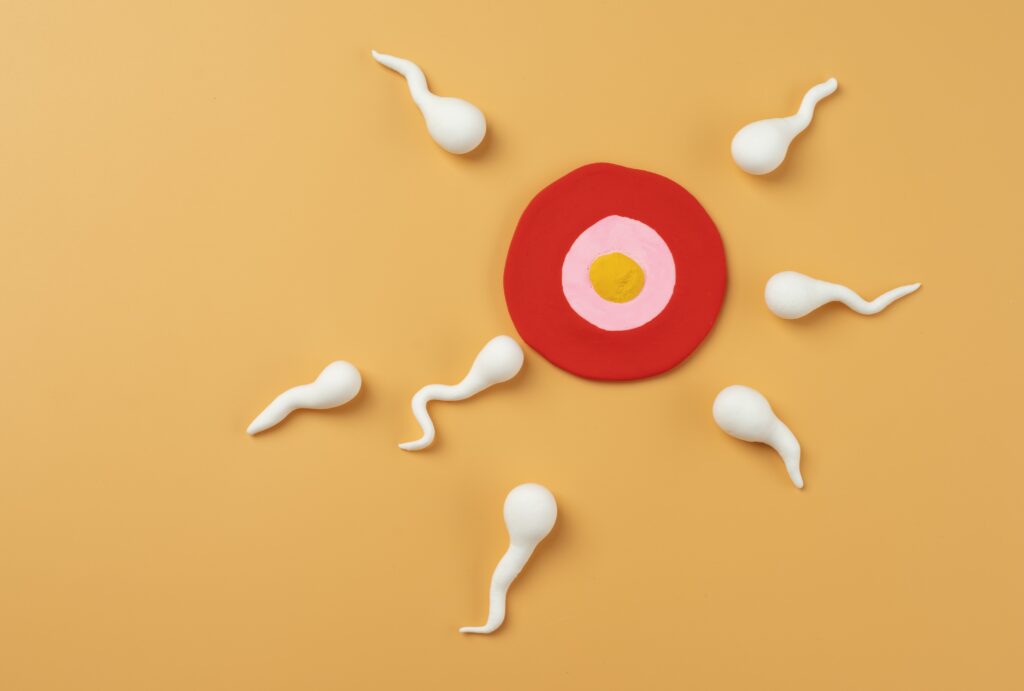
In some cases, prolonged sexual abstinence may contribute to certain changes in semen quality, even in men who have never engaged in sexual intercourse. To understand this, it is important to know how sperm is produced, stored, and transported within the male reproductive system. Sperm cells are produced in the testicles and then mature in a structure called the epididymis. From there, they travel through the vas deferens, a tube that carries sperm toward the reproductive tract. During ejaculation, sperm mixes with fluids produced by the seminal vesicles, prostate gland, and bulbourethral glands to form semen. The epididymis serves as the primary storage site for mature sperm. When a man abstains from ejaculation for a prolonged period, sperm may remain stored in the reproductive tract for longer than usual. Over time, older sperm cells are naturally broken down and reabsorbed by the body, while new sperm continue to be produced. Regular ejaculation helps maintain the movement of sperm through the reproductive system and allows older sperm to be replaced by newer sperm cells. Ejaculation can occur through sexual intercourse or masturbation. It is important to note that prolonged abstinence does not necessarily cause infertility. However, in some cases, very long periods without ejaculation may affect certain semen parameters, which is why fertility specialists often recommend a specific period of abstinence—typically 2 to 7 days—before a semen analysis.