
ICSI WILL HELP FERTILIZE ALL YOUR EGGS IN IVF — MORPHOLOGY IS VERY IMPORTANT
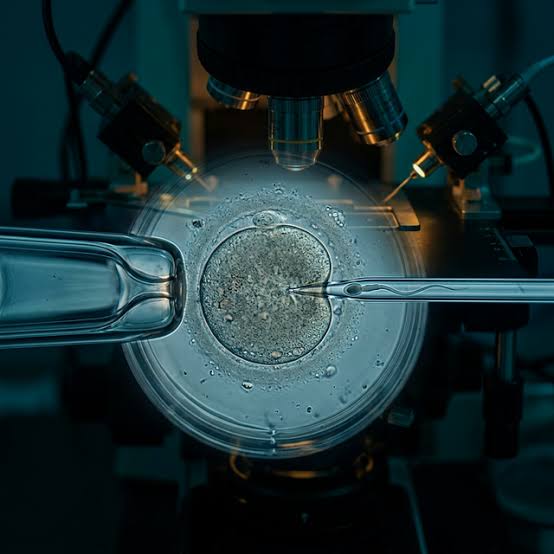
ICSI WILL HELP FERTILIZE ALL YOUR EGGS IN IVF — MORPHOLOGY IS VERY IMPORTANT I want to explain what professionals mean when they tell you that you need to undergo IVF with ICSI. When you say you want to do IVF, it generally means conventional in-vitro fertilization. However, when it is IVF with ICSI, it involves an additional technique known as Intracytoplasmic Sperm Injection (ICSI). In conventional IVF, the eggs are retrieved and placed in a laboratory dish. The sperm is also prepared and placed together with the eggs for incubation. The process allows the sperm to interact with the eggs, with the aim of fertilizing them. In some cases, a man may have a good sperm count, good motility, and good morphology, but the sperm may still be unable to successfully fertilize the egg on its own. This is where ICSI may be considered. ICSI, which stands for Intracytoplasmic Sperm Injection, is a technique in which a single sperm cell is selected and directly injected into an egg to assist the fertilization process. ICSI may be considered in different situations. One is when a man has a very low sperm count and there are not enough sperm available for conventional fertilization. Another situation is when there are concerns about the sperm’s ability to successfully enter and fertilize the egg, even when the sperm count, motility, or morphology may appear satisfactory. ICSI assists the fertilization stage by directly placing the selected sperm inside the egg. With conventional IVF, the number of eggs that successfully fertilize is only known after the eggs and sperm have been incubated and assessed. However, ICSI does not mean that every egg will necessarily be fertilized, nor does it guarantee the development of healthy embryos. The quality and development of the resulting embryos can also be influenced by the quality of both the egg and the sperm. This is why sperm morphology and overall sperm quality are important considerations during IVF. Even when ICSI is used, the quality of the sperm cell selected can be an important factor in the fertilization and embryo-development process. Therefore, whether you are undergoing conventional IVF or IVF with ICSI, it is important for your fertility specialist to properly assess the quality of the sperm, including factors such as morphology and sperm DNA integrity, and recommend appropriate treatment where necessary.
YOU CAN DO SONOHYSTEROGRAM
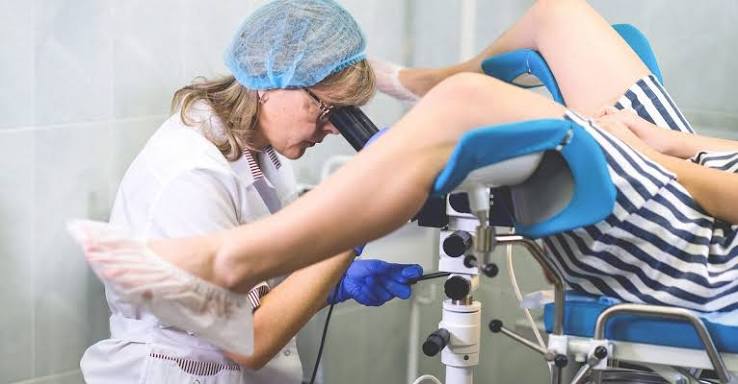
YOU CAN DO SONOHYSTEROGRAM A woman may think that having a hysteroscopy before undergoing IVF was the reason she became pregnant. However, that assumption may not be correct. If you are preparing to undergo IVF, it is important to further investigate the integrity and condition of your womb. One of the investigations that may be carried out is a sonohysterogram. This examination helps to assess the inside of the womb and identify certain problems that may not be detected during a normal ultrasound scan. If an abnormality or other issue is detected in the womb, a hysteroscopy may then be recommended for further evaluation and, where necessary, treatment. Therefore, it is important to understand that a sonohysterogram can be part of the evaluation process before IVF. In some cases, a woman may be advised to undergo both a sonohysterogram and a hysteroscopy. However, undergoing these procedures does not necessarily mean that pregnancy can only occur through IVF. A woman who has had a sonohysterogram and hysteroscopy may still go on to conceive naturally.
HOW MANY EGGS ARE NEEDED FOR A SUCCESSFUL IVF OUTCOME?
HOW MANY EGGS ARE NEEDED FOR A SUCCESSFUL IVF OUTCOME? There is a lot of discussion and controversy surrounding women who want to undergo IVF using their own eggs. This is understandable because every woman would naturally prefer to become pregnant using her own eggs. As a woman gets older, however, the number and quality of her eggs can become an important factor in IVF success. For example, by around age 37 and beyond, some women may have difficulty achieving a successful outcome using their own eggs and may sometimes need donor eggs as an alternative or backup option. A woman may have a good number of eggs, but having many eggs does not necessarily mean that they will all be of good quality or capable of being successfully fertilized by her husband’s sperm. The quality of the eggs is just as important as the quantity. Similarly, having many eggs does not guarantee that many healthy embryos will develop. During IVF, only some eggs may fertilize successfully, and only some of the resulting embryos may develop into good-quality embryos that are suitable for transfer. It is sometimes suggested that women under 35 may need around 10 good-quality eggs during an IVF cycle, because only a proportion of those eggs may ultimately develop into viable embryos. For women between 35 and 37, around 12 eggs may be suggested, while women aged 38 to 40 may require around 18 eggs. For women aged 41 to 42, some estimates suggest as many as 40 eggs, while women aged 42 and above may be told that approximately 42 eggs could be required. However, these numbers should not be understood as fixed requirements or guarantees of IVF success. The number of eggs retrieved varies significantly from woman to woman, and age is only one of several factors that can influence IVF outcomes. It is also important to understand that ovarian-stimulation medication is used to encourage the ovaries to produce multiple eggs during an IVF cycle. The medication cannot simply reverse the effects of reproductive ageing or guarantee that the eggs produced will be of a particular quality. Therefore, when considering IVF with one’s own eggs, the focus should not be only on the number of eggs retrieved. Egg quality, fertilization, embryo development, age, and other individual fertility factors all play important roles in determining the likelihood of a successful IVF outcome.
MINI IVF, NATURAL CYCLE IVF AND CONVENTIONAL IVF
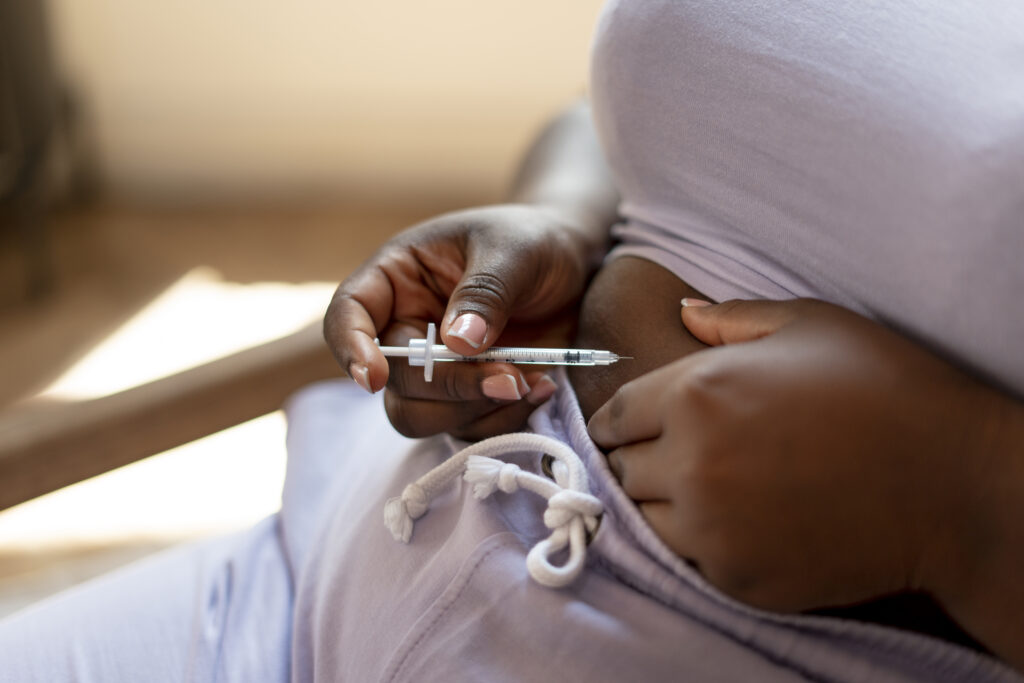
MINI IVF, NATURAL CYCLE IVF AND CONVENTIONAL IVF I want to explain the differences between Mini IVF, Natural Cycle IVF, and Conventional IVF. Mini IVF Mini IVF means that fewer medications are used, and there may not be extensive ovarian stimulation. This may result in the collection of a smaller number of eggs that will be used for the procedure. In simple terms, Mini IVF involves using your natural cycle with a small amount of treatment or medication as support. Natural Cycle IVF Natural Cycle IVF is somewhat similar to Mini IVF. However, in this case, the procedure follows your natural menstrual cycle. There may be little or no medication or injections involved, and the number of eggs collected is usually lower than with Mini IVF. Conventional IVF With Conventional IVF, ovarian stimulation is required to produce multiple eggs. The aim is to have more eggs available to create embryos, since the quality of the embryos cannot always be known from the beginning, except where factors such as the quality of the semen may provide some indication. The Main Differences The main differences between Mini IVF, Natural Cycle IVF, and Conventional IVF are the level of ovarian stimulation and the number of eggs produced and collected. There are also important factors to consider before undergoing any of these three procedures: Antral Follicle Count (AFC):This is an ultrasound test used to count the follicles in the ovaries. According to the information discussed in this article, the test is done around the second day of the menstrual cycle, and the follicle count to be considered is between two and nine (2–9). A count above ten (10) may be associated with PCOS. AMH result:Your AMH level is another important factor to consider when determining the appropriate approach. The woman’s age:Age is also an important consideration when choosing among these treatment options. Semen quality:The quality of the semen is another factor that should be considered before proceeding. So, before embarking on any of these three procedures, it is important to understand the factors involved and know what to expect from the treatment.
CAN BLOOD SAMPLES BE COLLECTED ON ANY DAY OF THE MENSTRUAL CYCLE FOR HORMONAL TESTS?
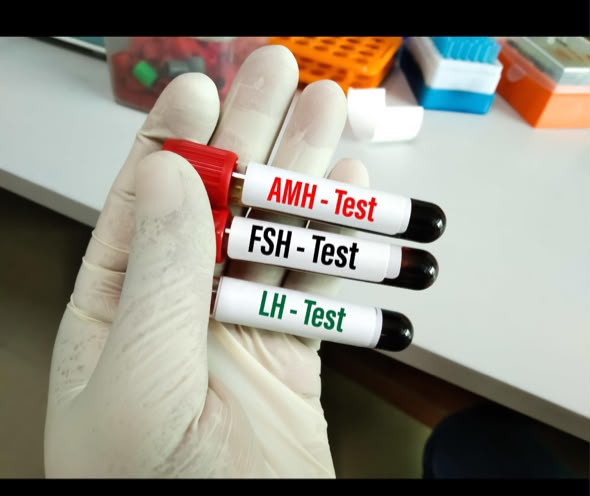
CAN BLOOD SAMPLES BE COLLECTED ON ANY DAY OF THE MENSTRUAL CYCLE FOR HORMONAL TESTS? I want to explain a controversy about the best time to collect blood for hormonal assays. Most of the time, when patients are told to go and run these tests at another center, they may be sent back with the information that the tests cannot be done at any time during the cycle, except on day 2 or 3 of the menstrual cycle, while progesterone should be tested on day 21. I want to tell you that, with the advancement of technology, blood samples for fertility investigations can be collected at different times during a woman’s menstrual cycle and not necessarily only on the days traditionally recommended. However, the appropriate timing still depends on the particular hormone being tested and the reason for the investigation. The reason blood samples were traditionally collected on day 2 or 3 was mainly to assess ovarian function and ovarian reserve—to have an idea of the number of eggs remaining in the woman’s ovaries. FSH and LH were commonly assessed during this period because of their relationship with ovarian function during the early part of the menstrual cycle. Fertility investigations have also advanced with the introduction of Anti-Müllerian Hormone (AMH), which is generally more stable throughout the menstrual cycle and is commonly used as part of the assessment of ovarian reserve. If a patient is being re-evaluated, however, there may be a specific reason why the sample should be collected on day 2 or 3. For example, a patient who is being treated for PCOS/PMOS may be asked to have the test performed on those specific days so that the results can be properly monitored and compared during treatment. Therefore, the timing of hormonal testing should be determined based on the particular test being carried out, the reason for the investigation, and the advice of the healthcare professional managing the patient.
5 THINGS YOU MAY NOT KNOW ABOUT PCOS/PMOS

5 THINGS YOU MAY NOT KNOW ABOUT PCOS/PMOS I want to talk about five important things you should know about PCOS (polycystic ovary syndrome). 1.PCOS is a hormonal and metabolic condition. PCOS can affect hormone levels, ovulation, metabolism, and menstrual cycles. Treatment depends on the individual and their symptoms, fertility goals, and overall health. There is no single hormone level that must be between 1 and 3.5 ng/mL before someone can become pregnant. 2.Do not stop your treatment without medical advice. PCOS is a condition that often requires ongoing management. Stopping medication or treatment on your own may cause symptoms such as irregular periods or hormonal problems to return. Always discuss any changes to your treatment with your healthcare professional. 3.PCOS may require attention when you become pregnant. If you become pregnant while managing PCOS, inform your healthcare professional so that your pregnancy can receive appropriate care. Early pregnancy depends on hormones, particularly progesterone, until the placenta takes over most progesterone production. However, PCOS does not automatically mean that your body cannot produce enough progesterone or that you will have a blighted ovum or miscarriage. Your doctor can determine whether you need any additional monitoring or treatment. 4.Hormone levels may need to be evaluated. If you have PCOS, your healthcare professional may recommend tests such as testosterone or other hormone tests, depending on your symptoms and treatment plan. If testosterone levels are elevated, the underlying cause should be evaluated and appropriate treatment discussed. Management may take time and requires patience and regular follow-up. 5.Having PCOS does not mean you cannot get pregnant. Many people with PCOS become pregnant, either naturally or with appropriate fertility treatment. If you have PCOS and are trying to conceive, working with a qualified healthcare professional can help identify the best approach for managing the condition and supporting your fertility. The important thing to remember is that PCOS can be managed, and having PCOS does not mean that pregnancy is impossible. If you have been diagnosed with PCOS, seek advice from a qualified healthcare professional rather than starting or stopping treatment on your own.
MISCARRIAGE- BLIGHTED OVUM AND MISSED ABORTION

MISCARRIAGE- BLIGHTED OVUM AND MISSED ABORTION I want to discuss missed abortion. Missed abortion refers to a pregnancy that has stopped developing but has not yet been expelled from the uterus. Sometimes, there can also be a difference between the pregnancy age calculated from the last menstrual period and the age estimated by an ultrasound scan. This is because ultrasound estimates the pregnancy age based on what is seen and measured during the scan, while manual calculation is usually based on the date of the last menstrual period. For example, based on your last menstrual period, you may calculate the pregnancy to be four weeks, while an ultrasound may estimate it at five weeks based on the measurements seen during the scan. A difference like this does not, by itself, mean that you have had a missed abortion. A missed abortion occurs when the pregnancy has stopped developing, and the ultrasound findings indicate that the pregnancy is no longer viable. This may happen after a fetal pole and heartbeat were previously seen, but the pregnancy subsequently stops developing. When a pregnancy stops developing at a very early stage and an embryo or fetal pole does not develop as expected, it may be described as an anembryonic pregnancy (commonly called a blighted ovum). When an embryo or fetal pole had developed and a heartbeat was previously detected before the pregnancy stopped developing, it may be described as a missed miscarriage. If you experience symptoms or have been told that you may have a missed miscarriage or an anembryonic pregnancy, please see a qualified healthcare professional. They can confirm the diagnosis and discuss the appropriate and safe management options with you.
BREATHING SENSATION AT LOWER ABDOMEN

If you’re a woman who regularly experiences a sensation of pressure, movement, or “breathing” in your lower abdomen around ovulation, it’s important not to ignore it. While there can be several possible causes, ovarian cysts or hormonal imbalances may sometimes be involved. PCOS (polycystic ovary syndrome) can affect ovulation and fertility, but this symptom alone does not mean you have PCOS or that you have “many eggs that are not dropping.” If you experience persistent or unusual symptoms, speak with a qualified healthcare professional. They may recommend tests such as LH, FSH, AMH, progesterone, and prolactin, depending on your symptoms and medical history, to better understand your hormonal and reproductive health. Early evaluation can help identify any underlying issue and ensure you receive the right treatment, especially if you are trying to conceive.
HIGH PROLACTIN

Every woman should be familiar with how her breasts normally look and feel and should pay attention to any unusual changes, including nipple discharge. If you notice fluid or blood coming from your nipples—regardless of the color—especially without squeezing or stimulation, it is important to speak with a qualified healthcare professional. If your breasts or nipples feel unusually full, swollen, tender, or painful, hormonal changes—including elevated prolactin—can sometimes be a possible cause. A healthcare professional may recommend a prolactin test to determine whether your levels are elevated. High prolactin can interfere with ovulation and may affect fertility. If you are diagnosed with high prolactin and prescribed medication, follow your healthcare provider’s instructions and ask when you should repeat the test. Do not stop, change, or continue medication based on a fixed timeline without medical advice, as the appropriate treatment and monitoring schedule varies from person to person. Prolactin levels can fluctuate for several reasons, so your results should be interpreted by a healthcare professional alongside your symptoms and medical history. If you are trying to conceive and have concerns about your menstrual cycle, ovulation, or fertility, seek appropriate medical evaluation rather than relying on symptoms alone.
IS YOUR SPERM CELLS A GAMETE CELLS
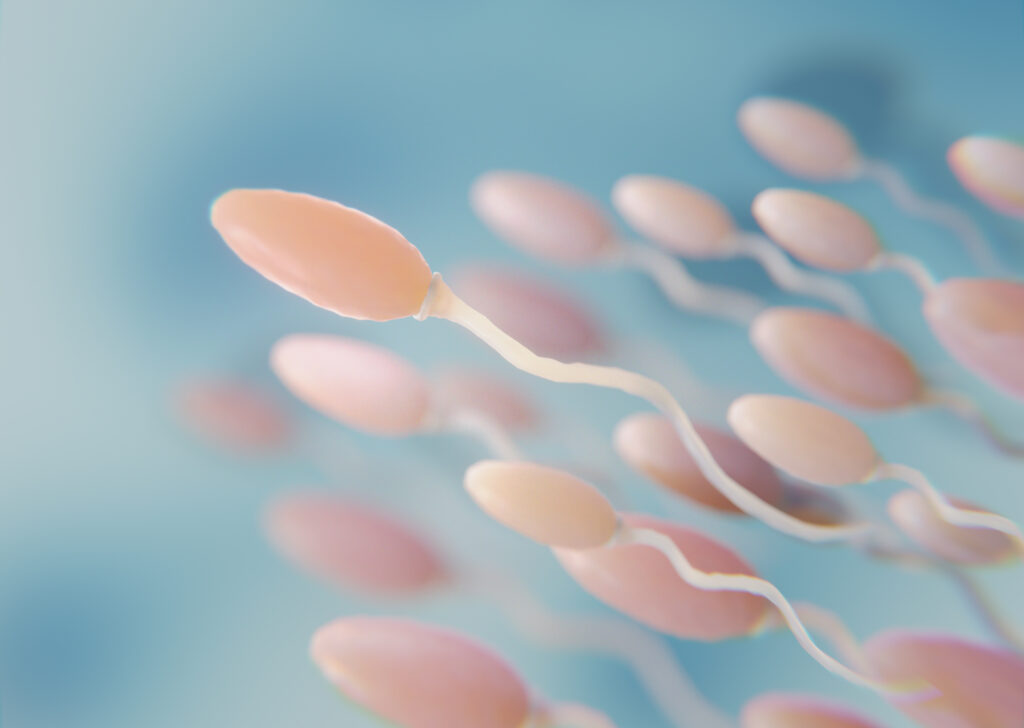
The quality of sperm plays a crucial role in achieving pregnancy, whether through natural conception, intrauterine insemination (IUI), or in vitro fertilization (IVF). For successful fertilization to occur, sperm cells must be healthy, mature, and function as complete gametes. During semen analysis, not all sperm cells observed are capable of fertilizing an egg. A sperm cell is considered a functional gamete only when it possesses the necessary characteristics required to initiate and complete the fertilization process. Before IUI or IVF, semen samples undergo laboratory processing to isolate the highest-quality sperm cells. The three main semen preparation techniques are: Simple Wash Method Density Gradient Centrifugation Method Swim-Up (Layering) Method Although these techniques differ in procedure, they all share the same objective: to select the healthiest, most motile, and morphologically normal sperm cells with the greatest potential to fertilize a healthy egg, thereby improving the chances of successful conception.