
FULLNESS OF BREAST AND MENSTRUAL PERIOD
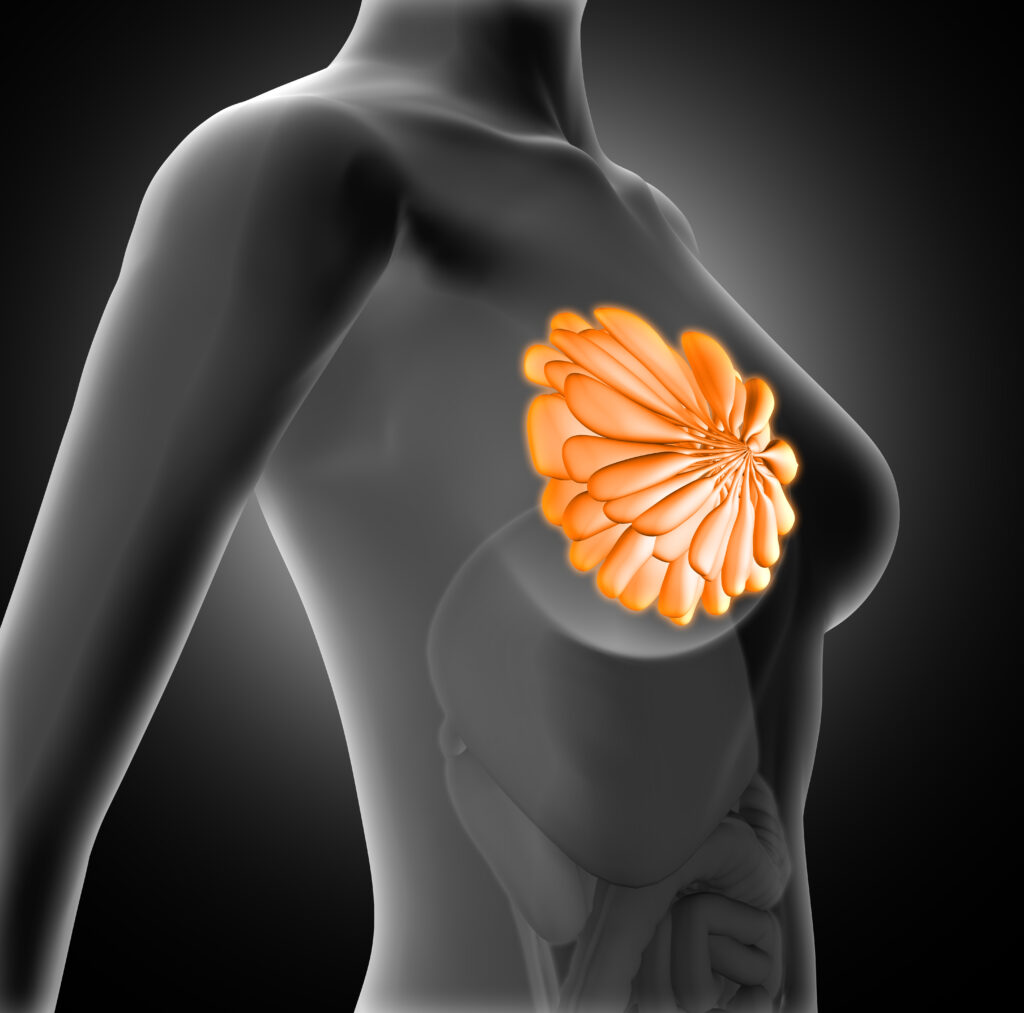
Many women notice that their breasts feel fuller, swollen, or more tender in the days leading up to their menstrual period or during menstruation. While this experience is common, it is not necessarily something that every woman experience from the onset of menstruation. Over time, many women come to regard breast fullness as a normal sign that their period is approaching. Based on my observations, many women who experience this symptom may have relatively low progesterone levels. Although low progesterone does not automatically mean a woman is infertile, it may increase the risk of miscarriage because progesterone plays a vital role in supporting early pregnancy. During the menstrual cycle, the hormones estrogen and progesterone work together to regulate reproductive function. At the beginning of the cycle, estrogen levels gradually rise to stimulate the growth of the uterine lining. Progesterone remains relatively low until after ovulation, when it increases significantly. This rise in progesterone prepares the uterus for the possible implantation of a fertilized egg. The body undergoes this preparation each cycle regardless of whether sexual intercourse has occurred. If fertilization and implantation do not occur, progesterone levels begin to fall during the latter part of the cycle, while estrogen levels also decline, triggering the shedding of the uterine lining and the onset of menstruation. Some believe that when progesterone levels are particularly low before menstruation, the hormonal imbalance may contribute to symptoms such as breast swelling, fullness, or tenderness. However, breast changes before a period are generally thought to result from the normal fluctuations of both estrogen and progesterone rather than from low progesterone alone. Persistent or severe breast swelling, pain, or other unusual symptoms should be evaluated by a healthcare professional to determine whether an underlying hormonal imbalance or another condition is present.
THE BEST METHOD TO COLLECT SEMEN BY WITHDRAWAL METHOD
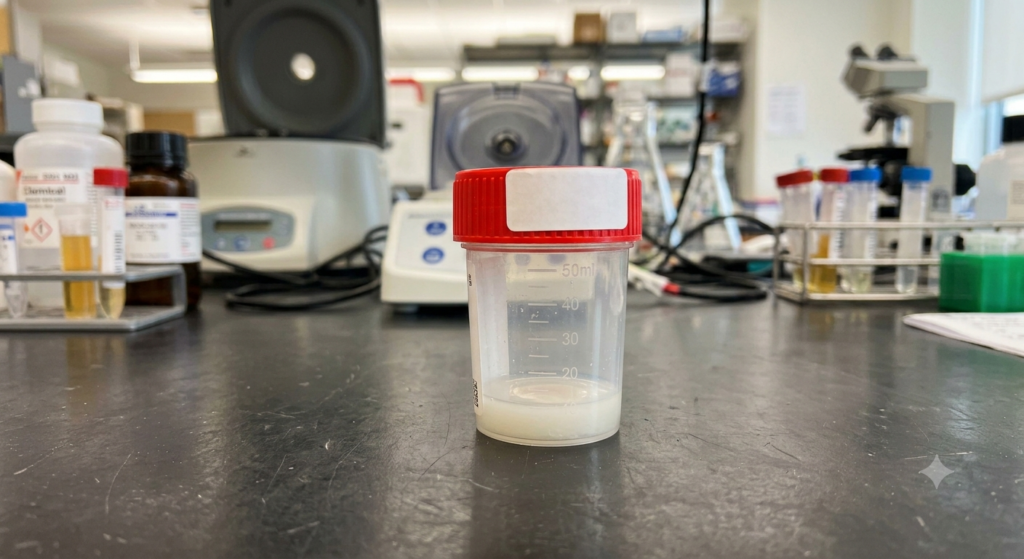
For individuals who are unable or unwilling to collect a semen sample through masturbation, the withdrawal method during intercourse may be an alternative, provided it is acceptable to the healthcare provider or laboratory. The male partner should remain focused throughout the process to ensure that ejaculation occurs directly into the sterile sample container. It is important not to become so absorbed in the intimacy that the timing of withdrawal is missed, as this may result in an incomplete or contaminated sample, which could affect the accuracy of the test results.
IVF AT 50YRS+: WHAT MATTERS

`IVF AT 50YRS+: WHAT MATTERS Before starting IVF in your fifties, it’s important to focus on the health and receptivity of your uterus to determine whether it is likely to support embryo implantation and pregnancy. In addition to taking supplements, consider having a thorough fertility evaluation first. Some of the hormone tests that may be recommended include LH (Luteinizing Hormone), FSH (Follicle-Stimulating Hormone), thyroid hormone tests, and estradiol. Once the results are available, have them reviewed and interpreted by a qualified fertility specialist or healthcare professional, who can advise you on the most appropriate next steps based on your individual circumstances.
CAN LOW AMH STOP YOU FROM GETTING PREGNANT

One of the questions I am asked most often is whether AMH (Anti-Müllerian Hormone) levels can be improved. There is also a common misconception that AMH alone is enough to assess a woman’s fertility or determine her suitability for assisted reproductive treatments. Generally, a normal AMH level is considered to be between 1.0 and 3.5 ng/mL, although reference ranges may vary between laboratories. However, AMH should never be interpreted in isolation. A proper assessment should take into account your age, LH (Luteinizing Hormone), FSH (Follicle-Stimulating Hormone), and other relevant clinical findings. One advantage of AMH testing is that it can be performed at any point during the menstrual cycle. For example, consider two women—one under the age of 30 and another over the age of 35—who both have an AMH level of 1.0 ng/mL. Although the AMH values are identical, the interpretation should not necessarily be the same. If the woman under 30 has LH and FSH levels within the normal range (approximately 4–10 IU/mL), her results may suggest an adequate ovarian reserve. However, if the woman over 35 has the same AMH level but significantly elevated FSH and LH levels (above 10 IU/mL), the overall assessment may indicate reduced ovarian function despite the AMH result. This could have implications for fertility treatment planning, including IVF. For this reason, FSH, LH, age, AMH, and other clinical factors should all be considered together when evaluating ovarian reserve and discussing treatment options. These results can also help a fertility specialist determine whether lifestyle changes, supplements, or other interventions may be appropriate, although evidence for supplements improving egg quality varies. If you are planning to undergo IVF, are over the age of 35, and your fertility evaluation shows significantly elevated FSH and LH levels despite a relatively reassuring AMH result, it is worth discussing all available options with your fertility specialist. Depending on your individual circumstances, this conversation may include the possibility of using donor eggs as a backup plan if treatment with your own eggs is unlikely to be successful.
INFERTILITY COULD BE MANIPULATED SPIRITUALLY

Many people have been led to believe that infertility is always caused by spiritual factors, often because of what they have been told by prophets, spiritual leaders, or well-meaning individuals. While some people hold personal or religious beliefs about infertility, it is important to understand that not every case has a spiritual cause. One of the challenges is that some couples place more confidence in these explanations than in seeking medical evaluation. However, many causes of infertility can be identified through proper medical assessment and treated effectively with evidence-based care. I once cared for a couple who believed their inability to conceive was due to spiritual causes. After a comprehensive fertility evaluation, the woman was diagnosed with Polycystic Ovary Syndrome (PCOS). She received appropriate treatment, and within three months, she conceived naturally. This experience highlights the importance of seeking professional medical advice when facing infertility. A thorough evaluation can identify underlying causes, provide appropriate treatment options, and improve the chances of achieving a successful pregnancy. Personal faith and medical care can coexist, and seeking medical help does not diminish one’s spiritual beliefs. Many people have been led to believe that infertility is always caused by spiritual factors, often because of what they have been told by prophets, spiritual leaders, or well-meaning individuals. While some people hold personal or religious beliefs about infertility, it is important to understand that not every case has a spiritual cause. One of the challenges is that some couples place more confidence in these explanations than in seeking medical evaluation. However, many causes of infertility can be identified through proper medical assessment and treated effectively with evidence-based care. I once cared for a couple who believed their inability to conceive was due to spiritual causes. After a comprehensive fertility evaluation, the woman was diagnosed with Polycystic Ovary Syndrome (PCOS). She received appropriate treatment, and within three months, she conceived naturally. This experience highlights the importance of seeking professional medical advice when facing infertility. A thorough evaluation can identify underlying causes, provide appropriate treatment options, and improve the chances of achieving a successful pregnancy. Personal faith and medical care can coexist, and seeking medical help does not diminish one’s spiritual beliefs.
WHEN YOU WANT TO MARRY WITH DIFFERENT BLOOD GROUPS RHESUS FACTORS

When discussing marriage, it is important to understand blood groups and the Rhesus (Rh) factor. The four main blood groups are A, B, AB, and O, and each can be either Rh-positive or Rh-negative. Having different blood groups or Rh factors does not prevent a couple from getting married. However, complications can arise if an Rh-negative mother is carrying an Rh-positive baby, a condition known as Rh incompatibility. The baby’s Rh factor cannot be determined during pregnancy through routine observation alone. During childbirth, however, the mother’s and baby’s blood may mix through the placenta, especially if there are tears or bleeding. If this happens, the mother’s immune system may produce antibodies against Rh-positive blood. In a future pregnancy with another Rh-positive baby, these antibodies can attack the baby’s red blood cells, potentially causing serious complications or even fetal death. To help prevent this, healthcare professionals recommend that Rh-negative mothers receive a RhoGAM injection after delivery or after any event that may cause blood mixing. If a woman continues to experience miscarriages despite receiving RhoGAM, an indirect Coombs test may be recommended to check whether Rh antibodies are still present in her blood.
DO NOT TAKE CHANCES. MY ADVICE TO AVOID MISCARRIAGE

If you have experienced a miscarriage, it is advisable to undergo medical evaluation to help determine the possible cause. Your healthcare provider may recommend tests such as a pelvic scan, Anti-Müllerian Hormone (AMH), Estradiol, Luteinizing Hormone (LH), Follicle-Stimulating Hormone (FSH), Prolactin, and Progesterone. These investigations can help identify factors that may have contributed to the pregnancy loss. If you have had three or more miscarriages, particularly if they occur between six and eight months of pregnancy, both you and your husband should undergo a comprehensive medical assessment. In addition to the tests listed above for the woman, the husband should have a semen analysis and a sperm DNA fragmentation test to evaluate sperm quality and identify any possible male-factor contributors. For women with recurrent pregnancy loss or repeated implantation failure, an endometrial receptivity test may be recommended to assess whether the uterine lining is optimally prepared to support a pregnancy. If you are currently pregnant, it is also important to monitor the progress of your pregnancy with appropriate laboratory tests. Your healthcare provider may request Progesterone, Estradiol, and Beta Human Chorionic Gonadotropin (β-hCG) tests. The expected values for these tests vary depending on the gestational age of the pregnancy, and interpreting them can help assess the health and viability of the pregnancy, as well as identify potential concerns that may require prompt medical attention.
LET’S TALK ABOUT ISSUES IN IVF: PROFESSIONAL’S SUGGESTION & RECOMMENDATION
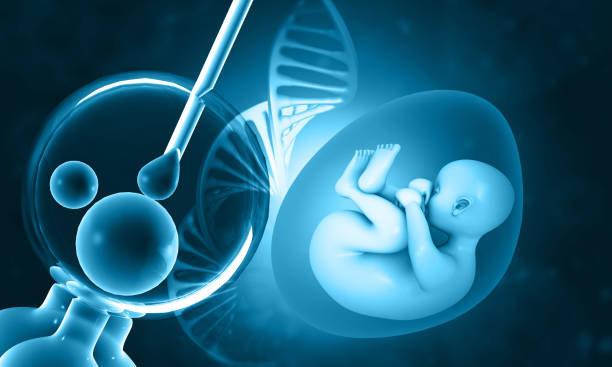
IVF involves a series of carefully coordinated processes managed by a multidisciplinary team of healthcare professionals. Throughout the treatment, professionals provide either recommendations or suggestions based on the patient’s clinical evaluation and test results. A recommendation is a professional opinion on the most appropriate course of action to maximize the chances of success. Declining a recommendation may negatively affect the outcome of the treatment. A suggestion, on the other hand, presents an optional approach that the patient may choose to follow without necessarily affecting the overall procedure. For women over the age of 36 considering IVF, hormonal tests such as LH, FSH, and AMH are important in assessing ovarian function. While normal LH and FSH levels (typically 4–10 IU/L) and an AMH level between 1.0 and 3.5 ng/mL may indicate a satisfactory ovarian reserve, these results do not guarantee that enough high-quality eggs will be retrieved for IVF. Many women assume that a normal ovarian reserve automatically means they are ideal candidates to use their own eggs for IVF. However, ovarian reserve tests cannot accurately predict the number of mature eggs that will be collected during egg retrieval. Likewise, ultrasound scans may show multiple follicles, but follicles do not always contain viable eggs. The presence of eggs can only be confirmed after the follicles have been aspirated during the retrieval procedure. For this reason, women who strongly prefer to use only their own eggs should consider having a donor egg backup, particularly if they are of advanced maternal age or have other risk factors for reduced egg yield. Despite ovarian stimulation, some patients may produce fewer than five eggs, which can significantly reduce the chances of a successful outcome. In general, retrieving fewer than ten eggs may place the IVF cycle under greater pressure, as fewer eggs typically result in fewer embryos available for transfer. Although successful pregnancies can still occur with a lower egg yield, retrieving ten or more eggs generally provides a better opportunity to develop multiple viable embryos, thereby improving the likelihood of a successful pregnancy.
DO NOT DO SELF MEDICATION OR COPY TREATMENT ONLINE

I want to advise all women who are trying to conceive (TTC) to be cautious about taking fertility medications recommended online or following treatment advice from random social media groups. While online communities can provide emotional support, they should never replace professional medical care. Not every platform shares accurate or evidence-based information, and a treatment that worked for one person may not be appropriate or safe for someone else. Fertility challenges can have many different causes, and the right treatment depends on an individual’s medical history, examination, and test results. Taking fertility medications without proper medical evaluation and supervision can disrupt your hormonal balance, lead to unnecessary side effects, or worsen an underlying condition. In some cases, it may even delay receiving the correct diagnosis and treatment. If you are trying to conceive, seek advice from a qualified fertility specialist or healthcare provider who can assess your specific situation and recommend the most appropriate investigations and treatment plan. Personalized medical care is always safer and more effective than self-medication or following unverified online prescriptions.
FIVE WAYS TO HAVE A CHILD

There are several pathways to building a family, depending on your individual circumstances and medical needs: Natural conception – Pregnancy achieved through natural intercourse without assisted reproductive techniques. Intrauterine Insemination (IUI) – A fertility procedure in which specially prepared sperm is placed directly into the uterus around the time of ovulation to increase the chances of fertilization. In Vitro Fertilization (IVF) – An assisted reproductive technology in which eggs are fertilized with sperm in a laboratory, and the resulting embryo is transferred into the uterus. Surrogacy – An option in which a surrogate carries a pregnancy for the intended parent(s). This process should be carried out through a reputable agency or organization and in accordance with applicable laws and regulations. Adoption – A legal process of welcoming a child into your family by following the required procedures and regulations established by the appropriate authorities.