
FERTILE WINDOW IS NOT OVULATION PERIOD
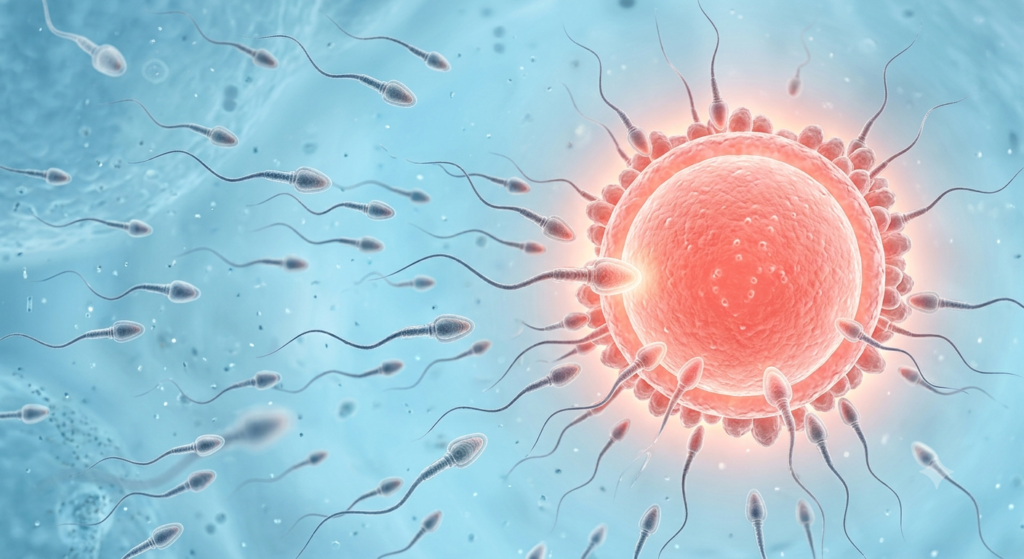
Many women rely on period-tracking apps to determine the best time to have intercourse when trying to conceive. However, it is important to understand that most apps estimate your fertile window, not your exact ovulation day. The fertile window is different from ovulation. It refers to the period—typically about 3 to 5 days before ovulation and including the day of ovulation—when pregnancy is most likely to occur. This is because sperm can survive in the female reproductive tract for several days, allowing fertilization to occur if ovulation happens during that time. Ovulation is the process in which a mature egg is released from the ovary and travels into the fallopian tube, where it can be fertilized by a sperm cell. While tracking apps can estimate when ovulation is likely to occur, they cannot confirm that ovulation has actually taken place. One of the most reliable ways to monitor ovulation is through follicular tracking, an ultrasound procedure that follows the growth and release of the dominant follicle. If a previously observed mature follicle is no longer visible on a follow-up scan, it usually indicates that ovulation has already occurred. After an egg is released, it remains viable for about 12 to 24 hours. During this time, it can be fertilized if it meets healthy sperm in the fallopian tube. If fertilization does not occur within this period, the egg breaks down and is naturally reabsorbed by the body. It is also important to know that symptoms such as lower abdominal cramps (often called mittelschmerz) or the presence of cervical mucus do not, by themselves, confirm that ovulation has occurred. While these signs may be associated with the fertile period, they are not definitive evidence of egg release. If you need confirmation of ovulation, consult your healthcare provider about appropriate monitoring methods. [
VIRGINITY DOES NOT MEAN FERTILITY: 3 FACTORS THAT DETERMINE GETTING PREGNANT QUICK
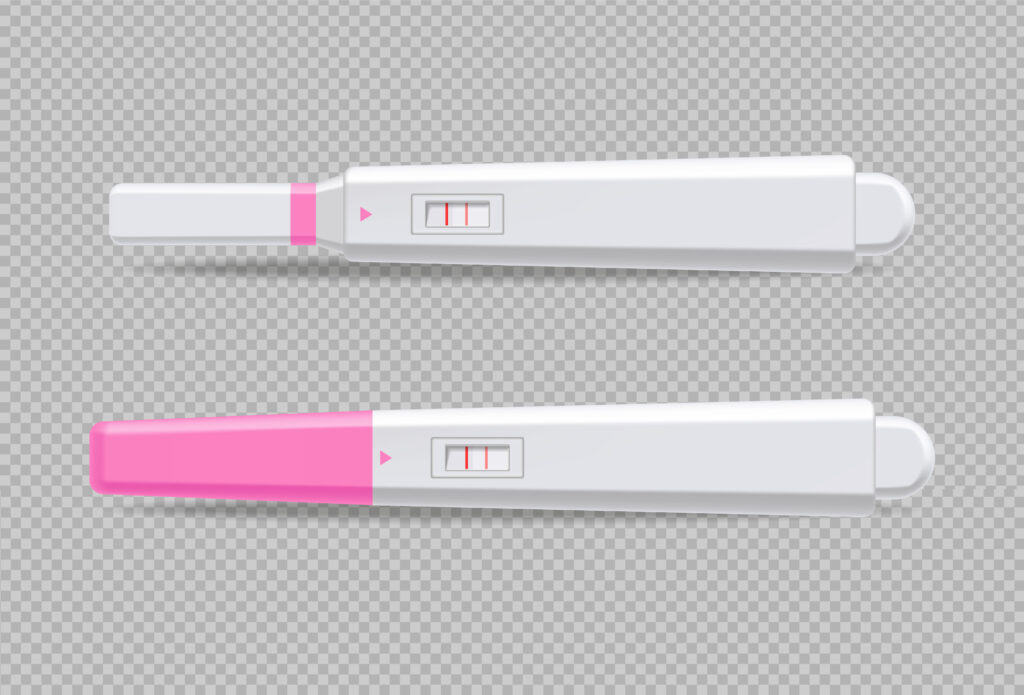
I want to clarify a few important facts about fertility: Virginity is not an indicator of fertility. Having regular menstrual periods does not automatically mean a woman is fertile. Regular menstruation does not necessarily mean that ovulation is occurring. A woman who is not menstruating may still have eggs. If she is within her reproductive years, the absence of menstruation does not automatically mean she has lost her ovarian reserve. A woman who is menstruating but is beyond her most fertile reproductive years may not be able to conceive naturally. In my opinion, the peak reproductive age generally extends up to about 42 years. However, pregnancy may still be possible if her ovarian reserve remains adequate. To determine whether natural conception is still possible, three key factors should be evaluated: Whether hormone levels are balanced. Whether there is a sufficient supply of healthy eggs. Whether the Fallopian tubes are open and functioning properly. The only reliable way to assess a woman’s fertility potential is through appropriate fertility testing. These tests can help determine whether natural conception is likely possible and identify any factors that may affect fertility.
WHEN YOU ARE NOT RESPONDING TO SEMEN ANALYSIS TREATMENT
I would like to draw the attention of men who are currently undergoing fertility treatment but are not seeing improvement in their semen parameters. As I have mentioned before, the fluid released during ejaculation does not come directly from the testicles. The testicles produce only sperm cells, which are stored in the epididymis. During ejaculation, these sperm cells mix with fluids produced by the male accessory glands to form semen. These glands contribute important substances that support sperm function: Seminal fructose provides the energy (sugar) sperm need for movement and survival. Seminal zinc and seminal citrate, produced mainly by the prostate gland, help maintain healthy sperm morphology and function. Alpha-glucosidase, produced by the epididymis, is an important marker of epididymal function and sperm maturation. If you have: Severe oligospermia (sperm count below 5 million/mL), Azoospermia (no sperm cells present), or Necrozoospermia (a high percentage of dead or non-viable sperm cells), you should consider visiting a fertility center that can perform the following tests: Seminal fructose Seminal alpha-glucosidase Seminal zinc Seminal citrate The results of these tests can help identify why you may not be responding to treatment, determine whether there is an obstruction or gland dysfunction, and guide your healthcare provider in choosing the most appropriate treatment plan.
6 REASONS WHY YOU EXPERIENCE SPERM LEAKAGE
There are several reasons why semen may leak out after sexual intercourse. In many cases, some degree of semen leakage is normal, as excess semen naturally flows out of the vagina after ejaculation. However, the following factors may contribute to noticeable leakage: Low semen viscosity (watery semen): Semen that is thinner than normal may flow out more easily after intercourse. Differences in anatomy: Variations in vaginal depth and penile length may affect how deeply semen is deposited during ejaculation. Reduced vaginal muscle tone: In some cases, weaker pelvic floor muscles may contribute to reduced vaginal tightness, which could allow semen to flow out more readily. Erectile difficulties: Some men may experience erections that are not firm enough for deep penetration, which can affect semen deposition during intercourse. Sexual positioning: Certain sexual positions may not allow for optimal penetration, particularly when there is a significant difference in body size between partners. Exploring different comfortable positions may help improve penetration and semen deposition. Vaginal infections: Infections of the vagina or reproductive tract may alter the vaginal environment and affect fertility. Symptoms such as unusual discharge, itching, irritation, or an unpleasant odor should be evaluated by a healthcare professional. It is important to note that semen leakage after intercourse is usually normal and does not necessarily prevent pregnancy. If you have concerns about fertility or difficulty conceiving, consult a fertility specialist for a proper evaluation of both partners.
YOUR WOMB THICKNESS AND GETTING PREGNANT
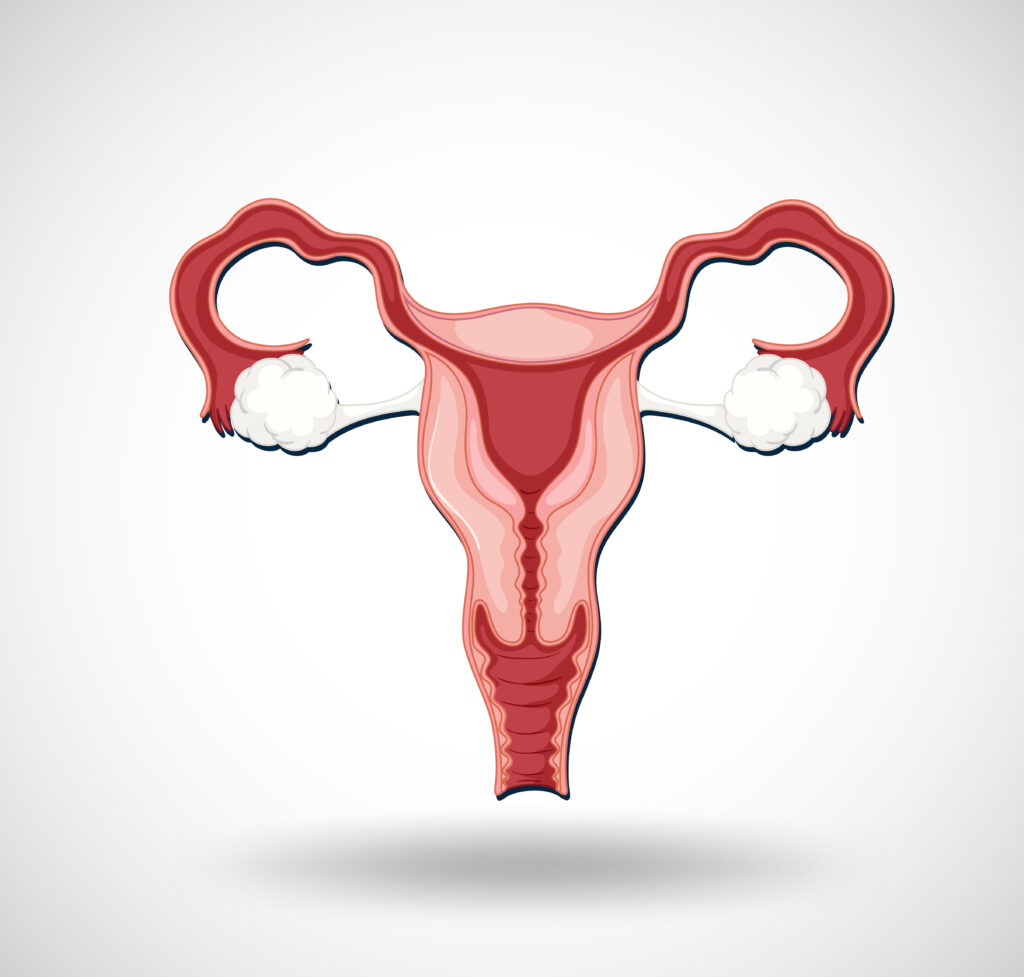
The endometrial lining is the inner lining of the uterus (womb), and its thickness plays an important role in achieving and maintaining a pregnancy, whether through natural conception, intrauterine insemination (IUI), or invitro fertilization (IVF). During fertility monitoring scans, the thickness of the endometrial lining is usually assessed around the time of ovulation for IUI cycles or around Day 14 of the menstrual cycle for those trying to conceive naturally. A healthy endometrial lining is generally expected to measure between 7 mm and 13 mm. If the lining is less than 7 mm, it may indicate that the uterus is not optimally prepared for embryo implantation, and medical treatment may be required to improve the lining. In addition to endometrial thickness, hormone levels should also be evaluated. Estradiol (E2) and progesterone are essential hormones that help prepare the uterus for pregnancy. Adequate levels of these hormones support proper endometrial development and implantation. Low levels of estradiol or progesterone may suggest that the uterine environment is not fully prepared for pregnancy, which can increase the risk of implantation failure or an unsuccessful fertility treatment cycle. Always discuss your scan results and hormone levels with your fertility specialist, who can recommend the most appropriate treatment based on your individual situation.
WHY LOW SPERM COUNT ARE INCREASING IN YOUNG MEN
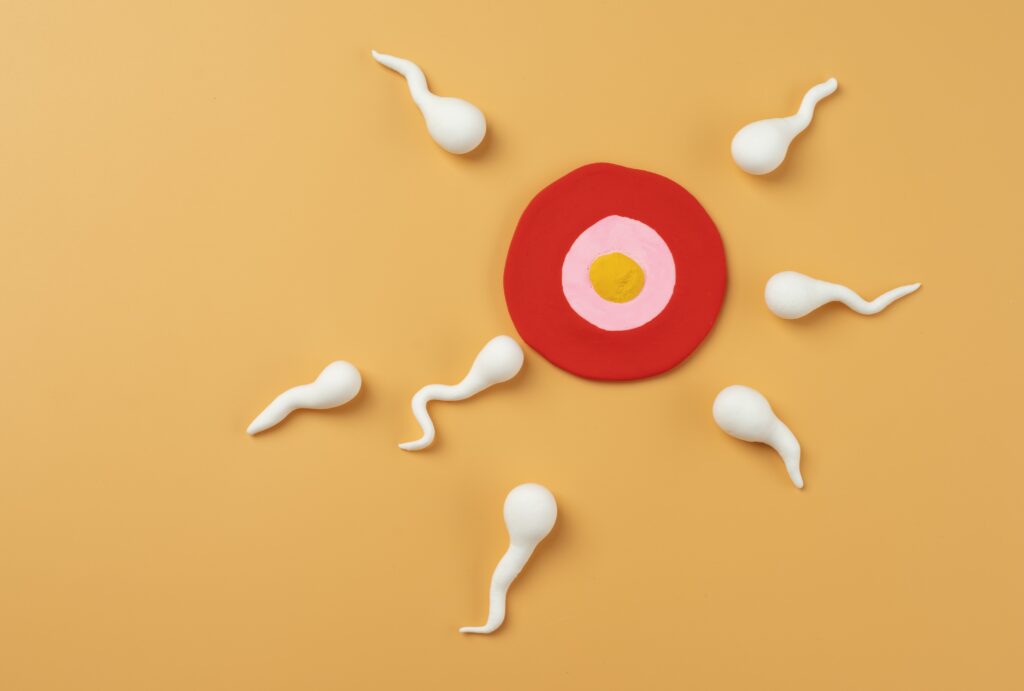
In some cases, prolonged sexual abstinence may contribute to certain changes in semen quality, even in men who have never engaged in sexual intercourse. To understand this, it is important to know how sperm is produced, stored, and transported within the male reproductive system. Sperm cells are produced in the testicles and then mature in a structure called the epididymis. From there, they travel through the vas deferens, a tube that carries sperm toward the reproductive tract. During ejaculation, sperm mixes with fluids produced by the seminal vesicles, prostate gland, and bulbourethral glands to form semen. The epididymis serves as the primary storage site for mature sperm. When a man abstains from ejaculation for a prolonged period, sperm may remain stored in the reproductive tract for longer than usual. Over time, older sperm cells are naturally broken down and reabsorbed by the body, while new sperm continue to be produced. Regular ejaculation helps maintain the movement of sperm through the reproductive system and allows older sperm to be replaced by newer sperm cells. Ejaculation can occur through sexual intercourse or masturbation. It is important to note that prolonged abstinence does not necessarily cause infertility. However, in some cases, very long periods without ejaculation may affect certain semen parameters, which is why fertility specialists often recommend a specific period of abstinence—typically 2 to 7 days—before a semen analysis.
I HOPE ALL MEN KNOW THIS ABOUT SEMEN ANALYSIS RESULTS

I would like to address men who are experiencing semen quality issues and are preparing for IVF or IUI treatment. One important parameter to pay attention to in your semen analysis is sperm motility. Sperm motility is commonly classified into four categories: Rapid (fast) progressive Slow (sluggish) progressive Non-progressive Immotile Among these, rapid progressive sperm are the ones most capable of moving efficiently through the female reproductive tract toward the egg. Many laboratories report only the total progressive motility without separating it into rapid and slow progressive categories. However, progressive motility is the combined total of both fast and slow progressive sperm, with a reference value of at least 32%. In my opinion, rapid progressive motility should be around 30% or higher to optimize the chances of natural conception. Therefore, when reviewing a semen analysis report, it is helpful to know not only the total progressive motility but also the percentages of fast and slow progressive sperm.
ENLARGE PROSTRATE CAN CAUSE LOW SEMEN VOLUME EJACULATE
I would like to draw the attention of older men who have noticed a decrease in the volume of semen released during ejaculation. One possible cause of reduced ejaculate volume is an enlarged prostate gland. The prostate plays an important role in the male reproductive system, and enlargement of the gland can affect the flow of semen during ejaculation. Other symptoms may include difficulty urinating, a weak urine stream, frequent urination, or the feeling of incomplete bladder emptying. If you experience any of these symptoms, it is advisable to undergo a Prostate-Specific Antigen (PSA) test and seek evaluation from a qualified healthcare professional. In general, PSA levels below 4 ng/mL are often considered within the expected range, while levels between 4 and 10 ng/mL may require further assessment. PSA levels above 10 ng/mL warrant prompt medical evaluation, although elevated PSA levels do not automatically mean cancer is present. Early detection and proper management of prostate conditions can help prevent complications and improve treatment outcomes. If you notice changes in ejaculation, urinary symptoms, or other concerns related to prostate health, consult a healthcare professional for appropriate evaluation and guidance.
WHAT TO DO WHEN YOUR PREGNANT TEST READ FAINTLY POSITIVE
A faint positive pregnancy test can be confusing for many women. Some people choose to wait and retest later, but in some cases, menstruation may begin afterward. A faint positive result may happen very early in pregnancy when the pregnancy hormone (hCG) level is still low. If you get a faint positive result, it is advisable to visit a laboratory or clinic for further testing. A quantitative beta hCG (BHCG) blood test can measure the exact level of hCG in the body and help determine whether pregnancy is developing normally. Doctors may also recommend additional tests such as progesterone and estradiol levels to assess hormonal support for pregnancy. Since hormone levels and pregnancy development vary from person to person, it is important to discuss your results with a qualified healthcare professional for proper evaluation and guidance.
CAUSES OF PAINFUL INTERCOURSE

Painful sexual intercourse can happen for different reasons, and understanding the cause is important for proper treatment and comfort. Vaginal dryness: When the vagina is not properly lubricated, friction during intercourse can cause pain, irritation, or discomfort. Using a safe, water-based lubricant can help reduce dryness and make intercourse more comfortable for both partners. Deep or forceful penetration: Very deep or forceful penetration may cause discomfort or pain, especially if the cervix is sensitive. Adjusting positions, slowing down, and communicating with a partner can help reduce pain during intercourse. Infections or irritation: Vaginal infections, including bacterial or yeast infections, can cause burning sensations, heat, itching, or pain during and after intercourse. Other symptoms may include unusual discharge or unpleasant odor. If these symptoms occur, it is important to visit a healthcare professional for proper diagnosis and treatment.