
If you have experienced a miscarriage, it is advisable to undergo medical evaluation to help determine the possible cause. Your healthcare provider may recommend tests such as a pelvic scan, Anti-Müllerian Hormone (AMH), Estradiol, Luteinizing Hormone (LH), Follicle-Stimulating Hormone (FSH), Prolactin, and Progesterone. These investigations can help identify factors that may have contributed to the pregnancy loss.
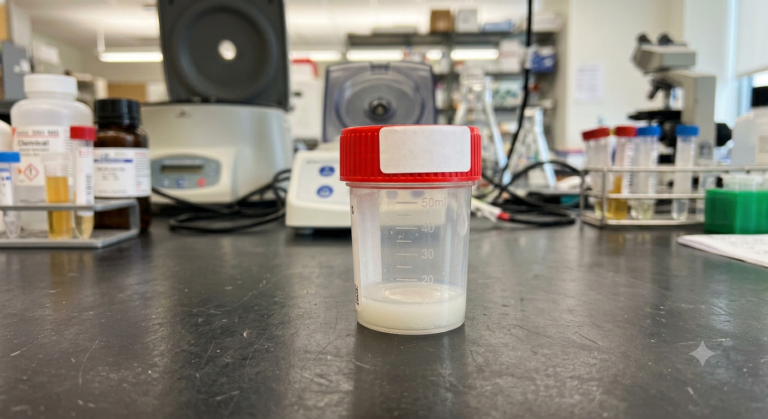
If you have had three or more miscarriages, particularly if they occur between six and eight months of pregnancy, both you and your husband should undergo a comprehensive medical assessment. In addition to the tests listed above for the woman, the husband should have a semen analysis and a sperm DNA fragmentation test to evaluate sperm quality and identify any possible male-factor contributors.
For women with recurrent pregnancy loss or repeated implantation failure, an endometrial receptivity test may be recommended to assess whether the uterine lining is optimally prepared to support a pregnancy.
If you are currently pregnant, it is also important to monitor the progress of your pregnancy with appropriate laboratory tests. Your healthcare provider may request Progesterone, Estradiol, and Beta Human Chorionic Gonadotropin (β-hCG) tests. The expected values for these tests vary depending on the gestational age of the pregnancy, and interpreting them can help assess the health and viability of the pregnancy, as well as identify potential concerns that may require prompt medical attention.