
Many women rely on period-tracking apps to determine the best time to have intercourse when trying to conceive. However, it is important to understand that most apps estimate your fertile window, not your exact ovulation day.
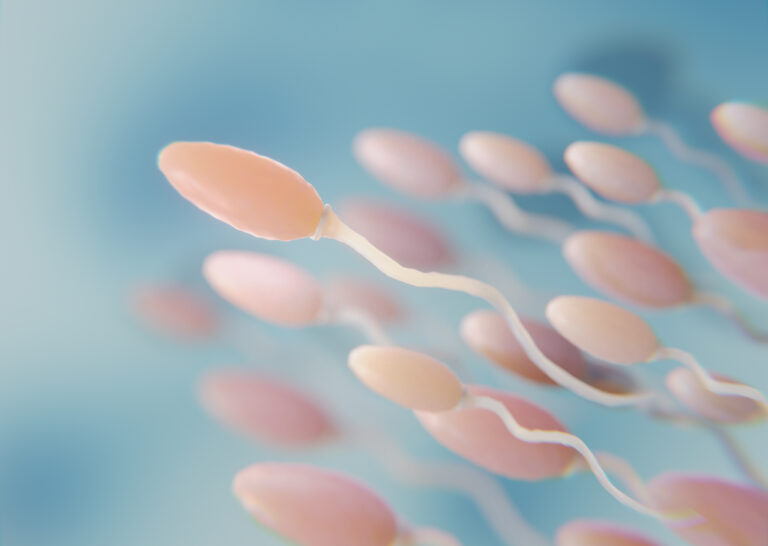
The fertile window is different from ovulation. It refers to the period—typically about 3 to 5 days before ovulation and including the day of ovulation—when pregnancy is most likely to occur. This is because sperm can survive in the female reproductive tract for several days, allowing fertilization to occur if ovulation happens during that time.
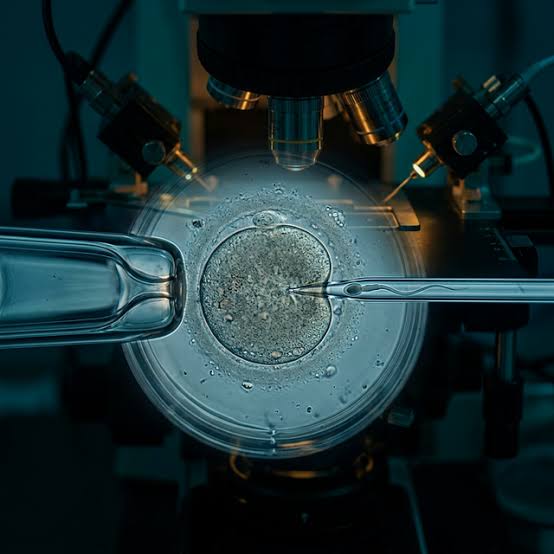
Ovulation is the process in which a mature egg is released from the ovary and travels into the fallopian tube, where it can be fertilized by a sperm cell. While tracking apps can estimate when ovulation is likely to occur, they cannot confirm that ovulation has actually taken place.
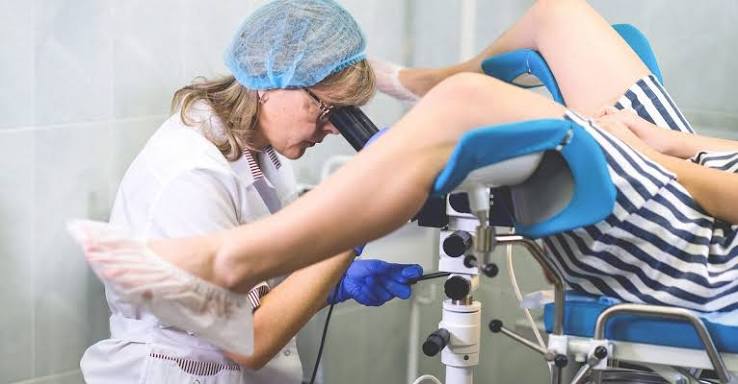
One of the most reliable ways to monitor ovulation is through follicular tracking, an ultrasound procedure that follows the growth and release of the dominant follicle. If a previously observed mature follicle is no longer visible on a follow-up scan, it usually indicates that ovulation has already occurred.
After an egg is released, it remains viable for about 12 to 24 hours. During this time, it can be fertilized if it meets healthy sperm in the fallopian tube. If fertilization does not occur within this period, the egg breaks down and is naturally reabsorbed by the body.
It is also important to know that symptoms such as lower abdominal cramps (often called mittelschmerz) or the presence of cervical mucus do not, by themselves, confirm that ovulation has occurred. While these signs may be associated with the fertile period, they are not definitive evidence of egg release. If you need confirmation of ovulation, consult your healthcare provider about appropriate monitoring methods.
[