
HOW MANY EGGS ARE NEEDED FOR A SUCCESSFUL IVF OUTCOME?
There is a lot of discussion and controversy surrounding women who want to undergo IVF using their own eggs. This is understandable because every woman would naturally prefer to become pregnant using her own eggs.
As a woman gets older, however, the number and quality of her eggs can become an important factor in IVF success. For example, by around age 37 and beyond, some women may have difficulty achieving a successful outcome using their own eggs and may sometimes need donor eggs as an alternative or backup option.
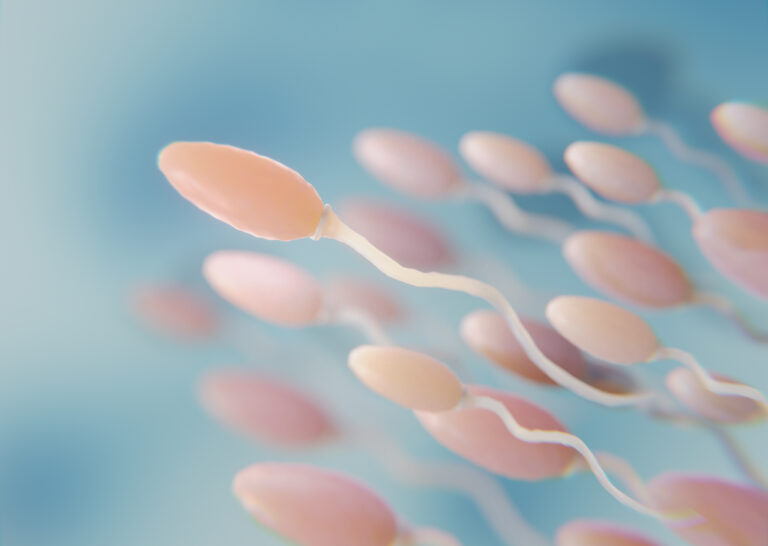
A woman may have a good number of eggs, but having many eggs does not necessarily mean that they will all be of good quality or capable of being successfully fertilized by her husband’s sperm. The quality of the eggs is just as important as the quantity.
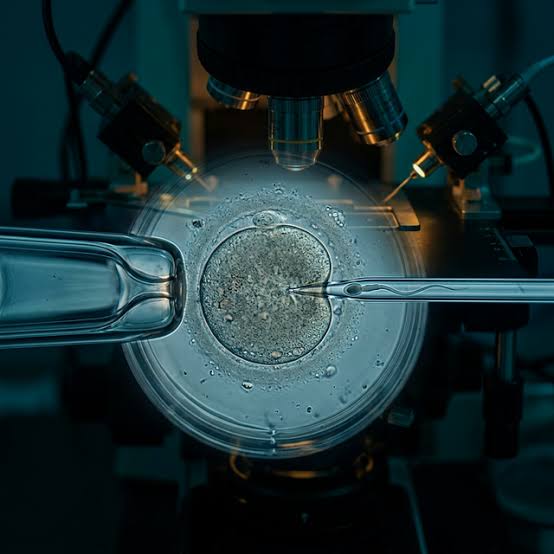
Similarly, having many eggs does not guarantee that many healthy embryos will develop. During IVF, only some eggs may fertilize successfully, and only some of the resulting embryos may develop into good-quality embryos that are suitable for transfer.
It is sometimes suggested that women under 35 may need around 10 good-quality eggs during an IVF cycle, because only a proportion of those eggs may ultimately develop into viable embryos. For women between 35 and 37, around 12 eggs may be suggested, while women aged 38 to 40 may require around 18 eggs. For women aged 41 to 42, some estimates suggest as many as 40 eggs, while women aged 42 and above may be told that approximately 42 eggs could be required.
However, these numbers should not be understood as fixed requirements or guarantees of IVF success. The number of eggs retrieved varies significantly from woman to woman, and age is only one of several factors that can influence IVF outcomes.
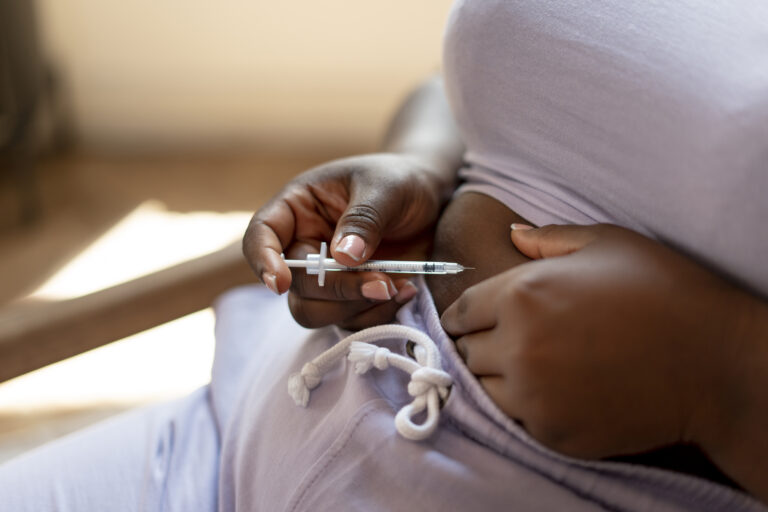
It is also important to understand that ovarian-stimulation medication is used to encourage the ovaries to produce multiple eggs during an IVF cycle. The medication cannot simply reverse the effects of reproductive ageing or guarantee that the eggs produced will be of a particular quality.
Therefore, when considering IVF with one’s own eggs, the focus should not be only on the number of eggs retrieved. Egg quality, fertilization, embryo development, age, and other individual fertility factors all play important roles in determining the likelihood of a successful IVF outcome.