
ICSI WILL HELP FERTILIZE ALL YOUR EGGS IN IVF — MORPHOLOGY IS VERY IMPORTANT
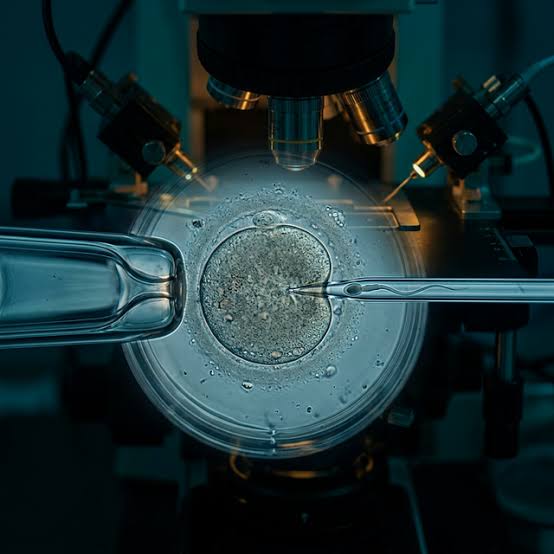
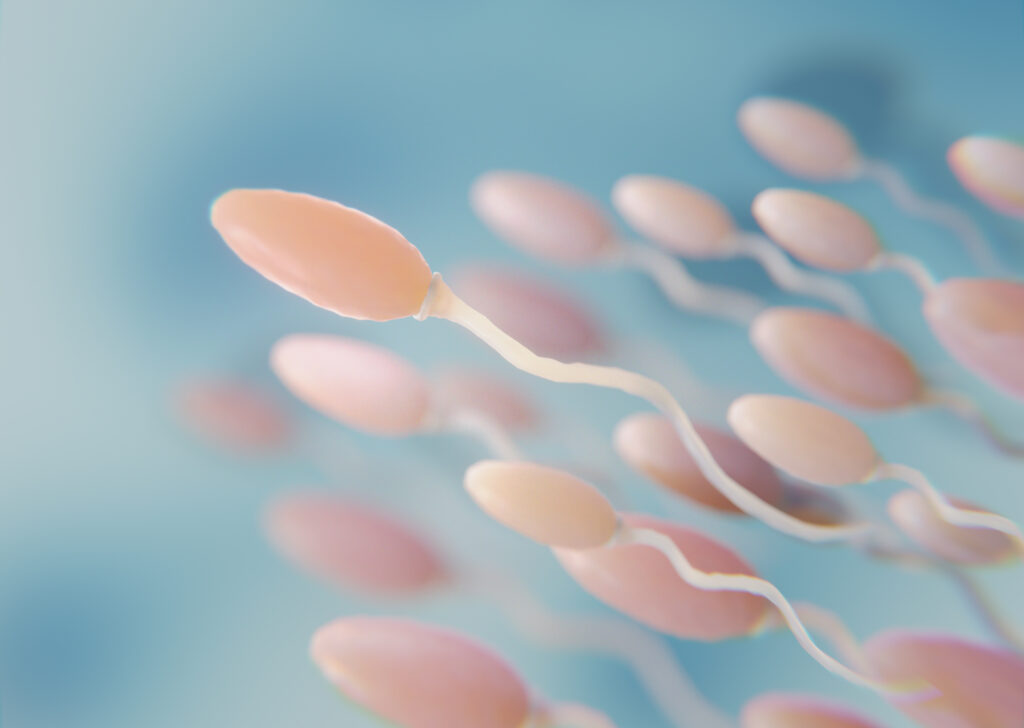
ICSI WILL HELP FERTILIZE ALL YOUR EGGS IN IVF — MORPHOLOGY IS VERY IMPORTANT I want to explain what professionals mean when they tell you that you need to undergo IVF with ICSI. When you say you want to do IVF, it generally means conventional in-vitro fertilization. However, when it is IVF with ICSI, it involves an additional technique known as Intracytoplasmic Sperm Injection (ICSI). In conventional IVF, the eggs are retrieved and placed in a laboratory dish. The sperm is also prepared and placed together with the eggs for incubation. The process allows the sperm to interact with the eggs, with the aim of fertilizing them. In some cases, a man may have a good sperm count, good motility, and good morphology, but the sperm may still be unable to successfully fertilize the egg on its own. This is where ICSI may be considered. ICSI, which stands for Intracytoplasmic Sperm Injection, is a technique in which a single sperm cell is selected and directly injected into an egg to assist the fertilization process. ICSI may be considered in different situations. One is when a man has a very low sperm count and there are not enough sperm available for conventional fertilization. Another situation is when there are concerns about the sperm’s ability to successfully enter and fertilize the egg, even when the sperm count, motility, or morphology may appear satisfactory. ICSI assists the fertilization stage by directly placing the selected sperm inside the egg. With conventional IVF, the number of eggs that successfully fertilize is only known after the eggs and sperm have been incubated and assessed. However, ICSI does not mean that every egg will necessarily be fertilized, nor does it guarantee the development of healthy embryos. The quality and development of the resulting embryos can also be influenced by the quality of both the egg and the sperm. This is why sperm morphology and overall sperm quality are important considerations during IVF. Even when ICSI is used, the quality of the sperm cell selected can be an important factor in the fertilization and embryo-development process. Therefore, whether you are undergoing conventional IVF or IVF with ICSI, it is important for your fertility specialist to properly assess the quality of the sperm, including factors such as morphology and sperm DNA integrity, and recommend appropriate treatment where necessary.
YOU CAN DO SONOHYSTEROGRAM
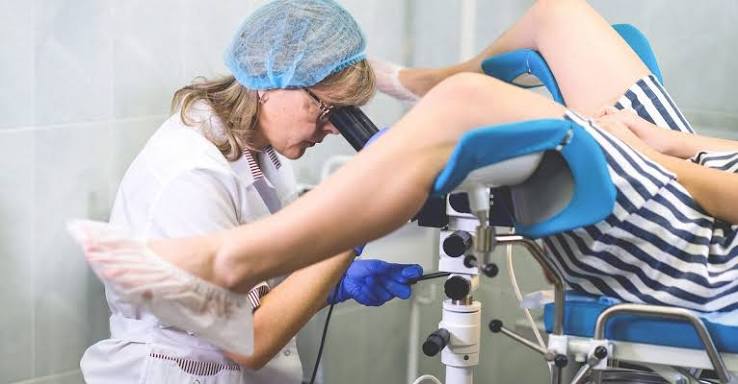
YOU CAN DO SONOHYSTEROGRAM A woman may think that having a hysteroscopy before undergoing IVF was the reason she became pregnant. However, that assumption may not be correct. If you are preparing to undergo IVF, it is important to further investigate the integrity and condition of your womb. One of the investigations that may be carried out is a sonohysterogram. This examination helps to assess the inside of the womb and identify certain problems that may not be detected during a normal ultrasound scan. If an abnormality or other issue is detected in the womb, a hysteroscopy may then be recommended for further evaluation and, where necessary, treatment. Therefore, it is important to understand that a sonohysterogram can be part of the evaluation process before IVF. In some cases, a woman may be advised to undergo both a sonohysterogram and a hysteroscopy. However, undergoing these procedures does not necessarily mean that pregnancy can only occur through IVF. A woman who has had a sonohysterogram and hysteroscopy may still go on to conceive naturally.
HOW MANY EGGS ARE NEEDED FOR A SUCCESSFUL IVF OUTCOME?
HOW MANY EGGS ARE NEEDED FOR A SUCCESSFUL IVF OUTCOME? There is a lot of discussion and controversy surrounding women who want to undergo IVF using their own eggs. This is understandable because every woman would naturally prefer to become pregnant using her own eggs. As a woman gets older, however, the number and quality of her eggs can become an important factor in IVF success. For example, by around age 37 and beyond, some women may have difficulty achieving a successful outcome using their own eggs and may sometimes need donor eggs as an alternative or backup option. A woman may have a good number of eggs, but having many eggs does not necessarily mean that they will all be of good quality or capable of being successfully fertilized by her husband’s sperm. The quality of the eggs is just as important as the quantity. Similarly, having many eggs does not guarantee that many healthy embryos will develop. During IVF, only some eggs may fertilize successfully, and only some of the resulting embryos may develop into good-quality embryos that are suitable for transfer. It is sometimes suggested that women under 35 may need around 10 good-quality eggs during an IVF cycle, because only a proportion of those eggs may ultimately develop into viable embryos. For women between 35 and 37, around 12 eggs may be suggested, while women aged 38 to 40 may require around 18 eggs. For women aged 41 to 42, some estimates suggest as many as 40 eggs, while women aged 42 and above may be told that approximately 42 eggs could be required. However, these numbers should not be understood as fixed requirements or guarantees of IVF success. The number of eggs retrieved varies significantly from woman to woman, and age is only one of several factors that can influence IVF outcomes. It is also important to understand that ovarian-stimulation medication is used to encourage the ovaries to produce multiple eggs during an IVF cycle. The medication cannot simply reverse the effects of reproductive ageing or guarantee that the eggs produced will be of a particular quality. Therefore, when considering IVF with one’s own eggs, the focus should not be only on the number of eggs retrieved. Egg quality, fertilization, embryo development, age, and other individual fertility factors all play important roles in determining the likelihood of a successful IVF outcome.