
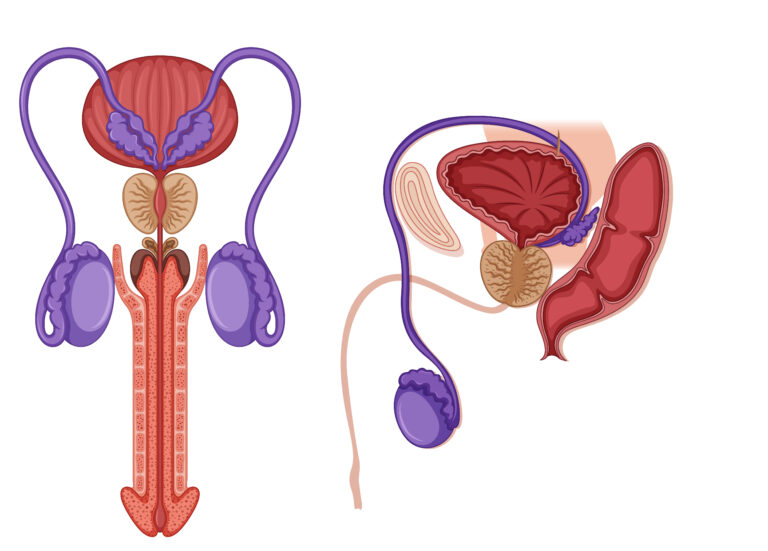
Persistent low sperm count (oligospermia) or absence of sperm (azoospermia) over time—ranging from 3 months to 2 years, may indicate underlying pathology. Normally, sperm is produced in the testicles and transported via the epididymis through a duct (vas deferens) to mix with seminal fluid from accessory glands (seminal vesicles, prostate, and bulbourethral gland) during ejaculation. If sperm count fluctuates or remains at zero despite treatment, there are two main concerns: either the testicles are not producing sperm, or there is an obstruction preventing sperm transport. A common cause of obstruction is a cyst or blockage in the reproductive tract, preventing sperm from reaching the seminal fluid. This results in ejaculated semen lacking sperm cells. Such cases require thorough evaluation by a fertility specialist, including advanced semen analysis, hormone profiling, and possible scrotal or transrectal ultrasound. Seek professional assessment for accurate diagnosis and targeted treatment.
Fertility
WHEN THERE IS NO GOOD RESULT FROM THE TREATMENT OF SEMEN PROBLEM.
There are instances where men undergo treatment for abnormal semen parameters, yet see little or no improvement in their semen