ASHERMAN SYNDROME

Asherman syndrome is a condition in which scar tissue forms inside the uterus, causing parts of the womb to stick together. It can result from procedures such as dilation and curettage (D&C), abortion complications, or untreated uterine infections. This scarring may affect the ability of the uterus to support a pregnancy and can contribute to infertility or recurrent pregnancy loss. In some cases, women with Asherman syndrome may still have regular menstrual periods, which can make the cause of infertility difficult to identify. Anyone experiencing unexplained infertility or symptoms related to Asherman syndrome should seek evaluation from a qualified healthcare professional for proper diagnosis and treatment.
UNDERSTANDING EFFECT OF HIGH PROLACTIN IN MEN

High prolactin levels in men can interfere with the hormones responsible for reproduction. Elevated prolactin may reduce the release of gonadotropin-releasing hormone (GnRH), which in turn lowers luteinizing hormone (LH), follicle-stimulating hormone (FSH), and testosterone levels. This hormonal imbalance can affect sperm production, including sperm count, motility, and morphology. However, not all men with high prolactin experience problems with sperm production or fertility. In many cases, the more common effects are low libido and erectile dysfunction. It is also important to note that not every man with low libido requires medication to lower prolactin levels. Some men may benefit from lifestyle changes such as improving their diet, reducing stress, getting adequate rest, and taking supplements that support relaxation and overall well-being. These changes can help improve libido naturally. Top of Form Bottom of Form
HYDROCOELE AND VARICOCELE IN MALE INFERTILITY
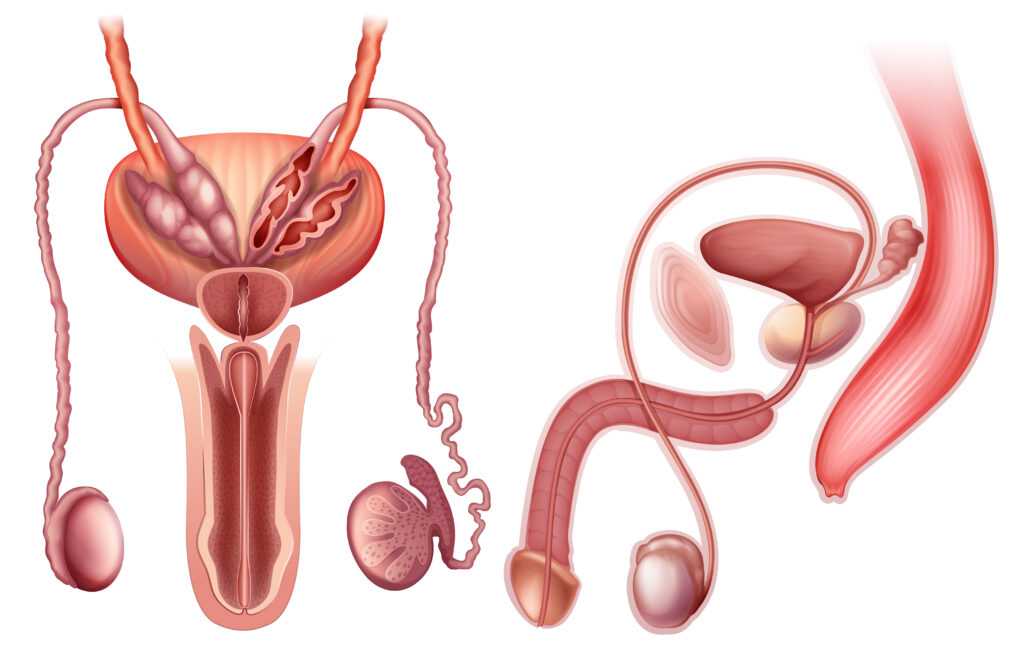
Hydrocele and varicocele are conditions that can affect male fertility by reducing sperm function, sperm quality, and sperm count. A hydrocele occurs when fluid builds up in the sac surrounding the testicle, causing swelling and a feeling of heaviness in the scrotum. It is usually visible and may cause discomfort or pain. A varicocele occurs when the veins inside the scrotum become enlarged or dilated, similar to varicose veins. Varicoceles are graded based on severity and may not be noticeable in the early stages. In advanced cases, they can become visible or more painful. One common symptom of both conditions is pain or discomfort in the testicles. They can also contribute to low sperm count, poor sperm motility, and abnormal sperm morphology, which may affect fertility. Anyone experiencing symptoms of hydrocele or varicocele should consult a qualified healthcare professional for proper diagnosis and treatment.
FIBROID MAY AFFECT YOUR FALLOPIAN TUBES NEGATIVELY
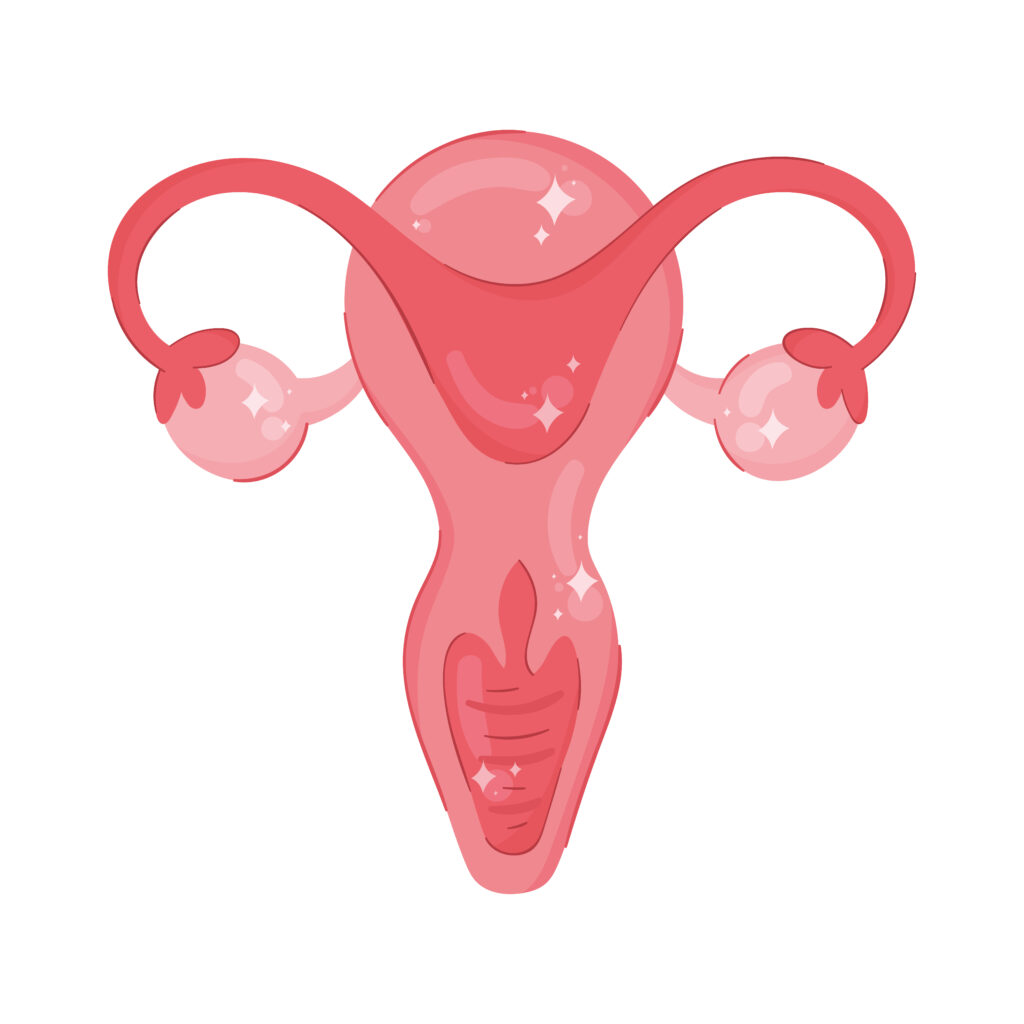
Fibroids do not always prevent pregnancy, especially when they are located outside the uterus. However, their size and location can still affect fertility in some women. Even if a fibroid is not inside the womb, it may put pressure on nearby structures such as the fallopian tubes. In some cases, this pressure can interfere with the normal function of the tubes or contribute to blockage over time, which may make it more difficult to conceive. Every case is different, and not all fibroids cause fertility problems. That is why proper medical evaluation is important. If you have fibroids and are trying to get pregnant, it is advisable to consult a qualified healthcare professional for assessment and appropriate treatment options.