
IUI COULD TREAT UNEXPLAINED INFERTILITY
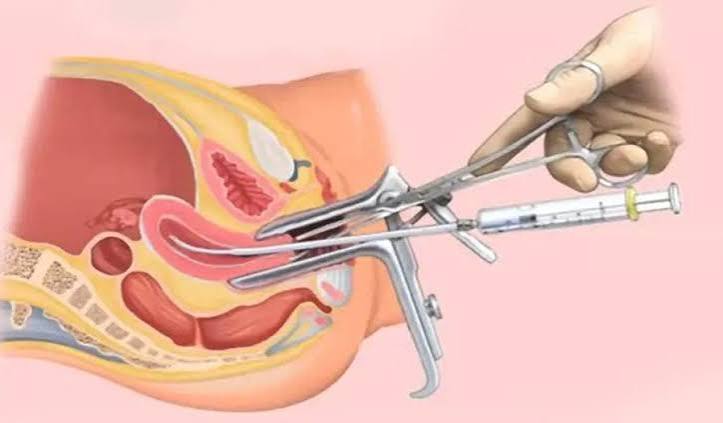
IUI COULD TREAT UNEXPLAINED INFERTILITY Unexplained infertility means that the man’s sperm count, motility and morphology are normal, while the woman’s hormones are balanced and her egg quality is good, yet pregnancy does not occur despite having regular unprotected sex for several months. One possible explanation could be that semen is not being deposited effectively close to the cervix due to factors such as penile size or the position of the cervical opening in relation to the vaginal opening. I would suggest that couples experiencing this consider IUI (Intrauterine Insemination), a procedure in which prepared sperm is placed directly into the uterus to improve the chances of conception.
TWO REASONS WHY THERE IS A CLOT IN YOUR MENSTRUAL BLOOD FLOW
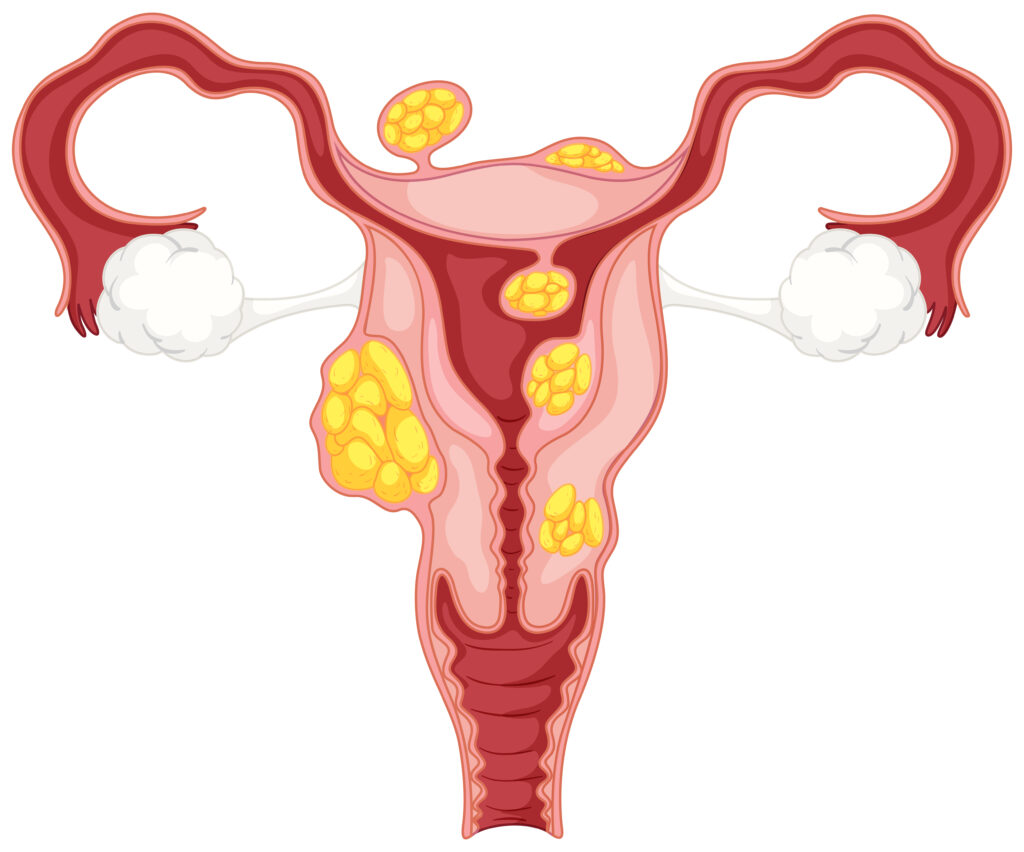
TWO REASONS WHY THERE IS A CLOT IN YOUR MENSTRUAL BLOOD FLOW I want to discuss women who notice blood clots during their menstrual periods. The blood clots you notice during menstruation do not necessarily form at the time you see them. Menstrual blood comes from the endometrium, which is the lining inside the womb and is shed every month. When the endometrial lining sheds, the blood flows from the womb through the cervix, then into the vagina before coming out. During a normal menstrual period, in a woman with balanced hormones and no infection, the menstrual blood is usually light red. However, sometimes it may appear dark red or brown, which can be associated with factors such as certain supplements or medications. One reason why blood clots may occur during menstruation is infection. Certain infections can affect menstrual flow and may contribute to clot formation. The second reason is fibroids. Fibroids, especially when they are large or affect the uterine cavity, can interfere with the normal flow of menstrual blood and contribute to heavy bleeding and blood clots. I also want to bring to your knowledge that the womb is naturally designed with protective mechanisms against infections. The cervix, which is the mouth of the womb, acts as a protective barrier and remains closed most of the time, including during sexual intercourse, although it allows sperm to pass through. What you need to do is undergo investigations to establish the cause. These may include a pelvic ultrasound scan to check for fibroid, a urine test and a high vaginal swab test to check for possible infections.