ISSUES OF PCOS IRREGULAR MENSTRUAL PERIOD AND WOMEN

As a single lady with PCOS, I want to advise you on what to do because PCOS is a serious problem. There are patterns of conversation where ladies tell me that professionals advised them not to treat PCOS until they are ready to get married. If such advice is followed and you wait until you get married before treating PCOS, your journey may become longer because your body will determine how you respond to treatment. For example, if you are placed on treatment and your AMH is 10.2 ng/mL but starts reducing to a lower level after a month, stopping the treatment may cause it to return to its previous level or even rise above what it was before treatment. So, my advice is to balance your AMH and do hormonal profiling before you get marry and not wait till you get married.
5 COMMON OVERLOOKED FACTORS THAT COULD RESULT IN IVF FAILURE
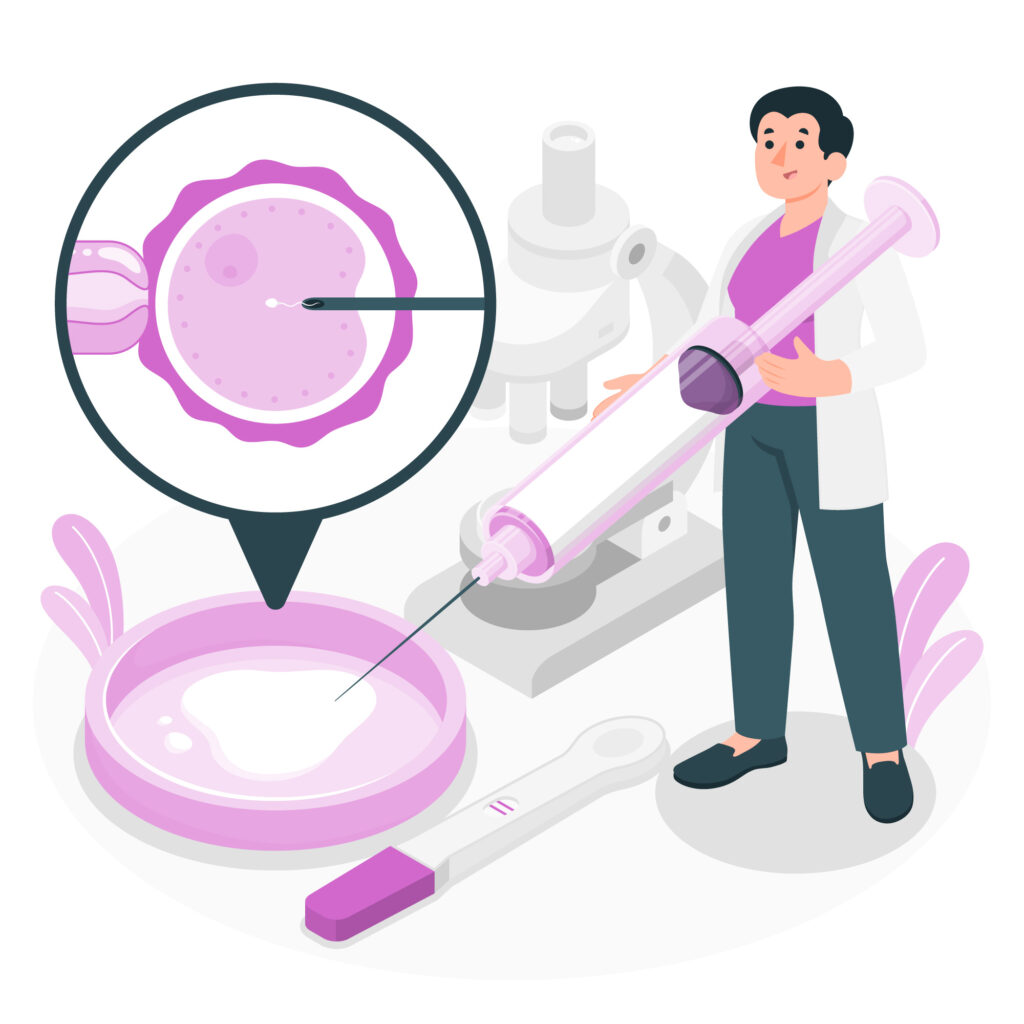
1. Endometrial Receptivity The uterine lining needs to be properly evaluated and prepared to ensure it is receptive to embryo implantation. Appropriate tests may also be necessary to assess the condition of the endometrium and determine whether it is suitable for embryo transfer. 2. Endometriosis and Adenomyosis Endometriosis and adenomyosis may affect fertility and, in some cases, interfere with embryo implantation. Although these conditions can be managed, treatment does not always provide a permanent cure. Depending on the severity and location of the condition, treatment options may include medication, hormonal therapy, or surgery. In some cases, hormonal injections may be prescribed to temporarily suppress menstruation for two to three months, with the aim of reducing disease activity. The appropriate treatment should be determined by a fertility specialist, as surgery may carry risks and must be carefully considered. For individuals planning IVF, it is important to discuss the timing of treatment with their fertility specialist. In some cases, IVF may proceed alongside the management of endometriosis or adenomyosis, depending on the patient’s age, ovarian reserve, and overall reproductive health. This approach may help avoid unnecessary delays in fertility treatment. 3. Sperm DNA Integrity Sperm DNA integrity is an important factor in male fertility, even when a routine semen analysis shows normal results. A normal semen analysis does not necessarily guarantee that sperm DNA is intact. Where clinically indicated, additional testing, such as a sperm DNA fragmentation test, may be recommended. Any treatment should be based on the test results and the assessment of a qualified fertility specialist. 4. Hormonal Imbalance Hormonal balance plays a significant role in fertility and IVF success. This is particularly important for women of advanced reproductive age, as age-related changes may affect ovarian reserve, egg quality, and treatment outcomes. A thorough hormonal assessment is essential before commencing IVF. Based on the results, the fertility specialist may recommend an appropriate treatment plan. Patience, careful monitoring, and an individualized approach are important to optimize the chances of a successful outcome. 5. Undiagnosed Uterine Factors Undiagnosed abnormalities within the uterine cavity may affect embryo implantation and reduce the chances of a successful pregnancy. These abnormalities may include intrauterine adhesions, scar tissue, endometrial polyps, and certain types of fibroids that distort the uterine cavity. Investigations such as a saline infusion sonohysterography (SIS) or hysteroscopy can help identify these conditions. A thorough evaluation of the uterine cavity is therefore an important part of fertility assessment before embryo transfer. If an abnormality is identified, the appropriate treatment should be considered before proceeding with IVF.